
Which DAW Is Actually Leading Immersive Audio Right Now?
I ranked every major DAW by the immersive audio features added in 2025 and early 2026 — from platforms with zero native support all the way to the surprising leader at the top of the list. Spoiler: Avid Pro Tools has quietly pulled ahead of the pack with native multi-format spatial session architecture, Sony 360 RA integration, and Audio Vivid support.
Why I Generate AI Music But Never Listen To It
I respond to your comments on AI music — covering copyright, monetization, the Deezer study, and why 97% of listeners can't tell the difference between AI and human-generated tracks. Plus: why I use Suno regularly but almost never listen to what I create, and the funniest comment I've ever received on this channel.
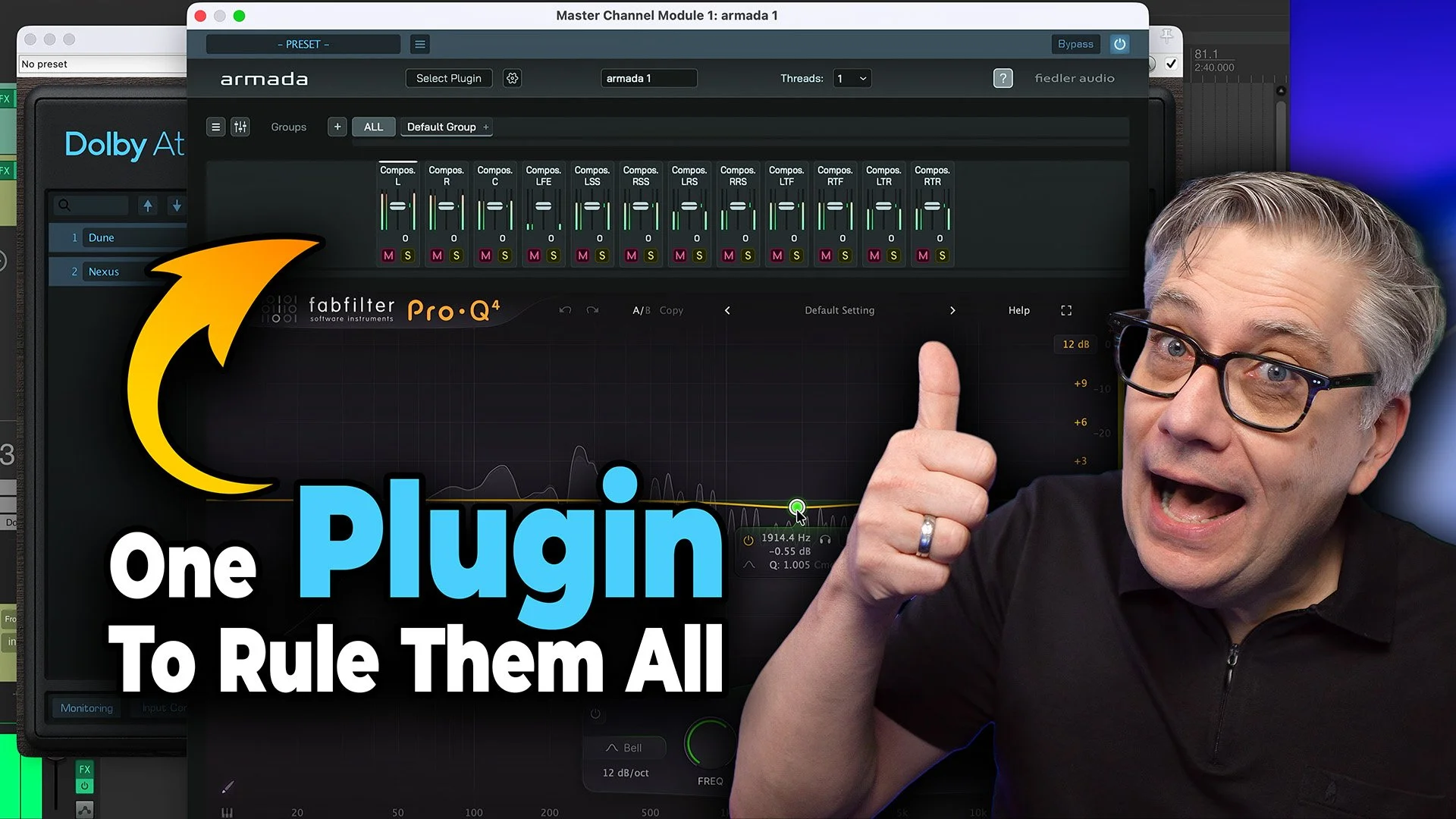
The Plugin That Changes Dolby Atmos Mixing Forever
Fiedler Audio's new Armada plugin lets you use any mono plugin on immersive audio tracks and even on Dolby Atmos master channels via the Dolby Atmos Composer — and in this video I put it through its paces with FabFilter Pro‑Q and Pro‑C in Reaper. If you've been looking for a Waves Immersive Wrapper alternative from a developer you trust, this one's for you.
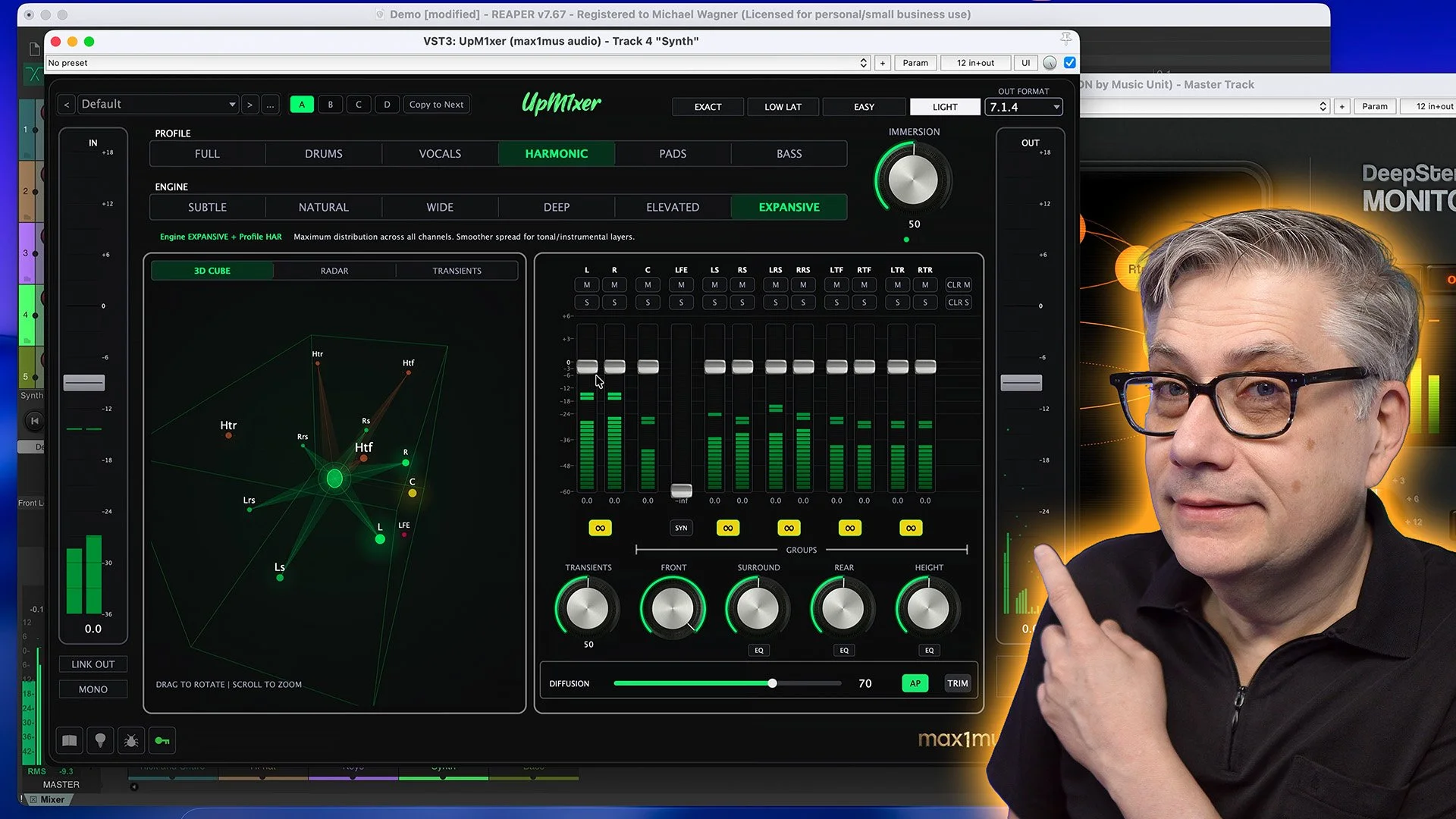
This New Plugin Makes Dolby Atmos Upmixing Ridiculously Easy
I review UpM1xer from Max1mus Audio, a new upmixing plugin for Dolby Atmos that features some genuinely innovative tools like an immersive transient shaper and an LFE subharmonic generator. It's a very strong first showing, though the lack of 9.1.6 support and the Apple Silicon-only limitation are worth noting.
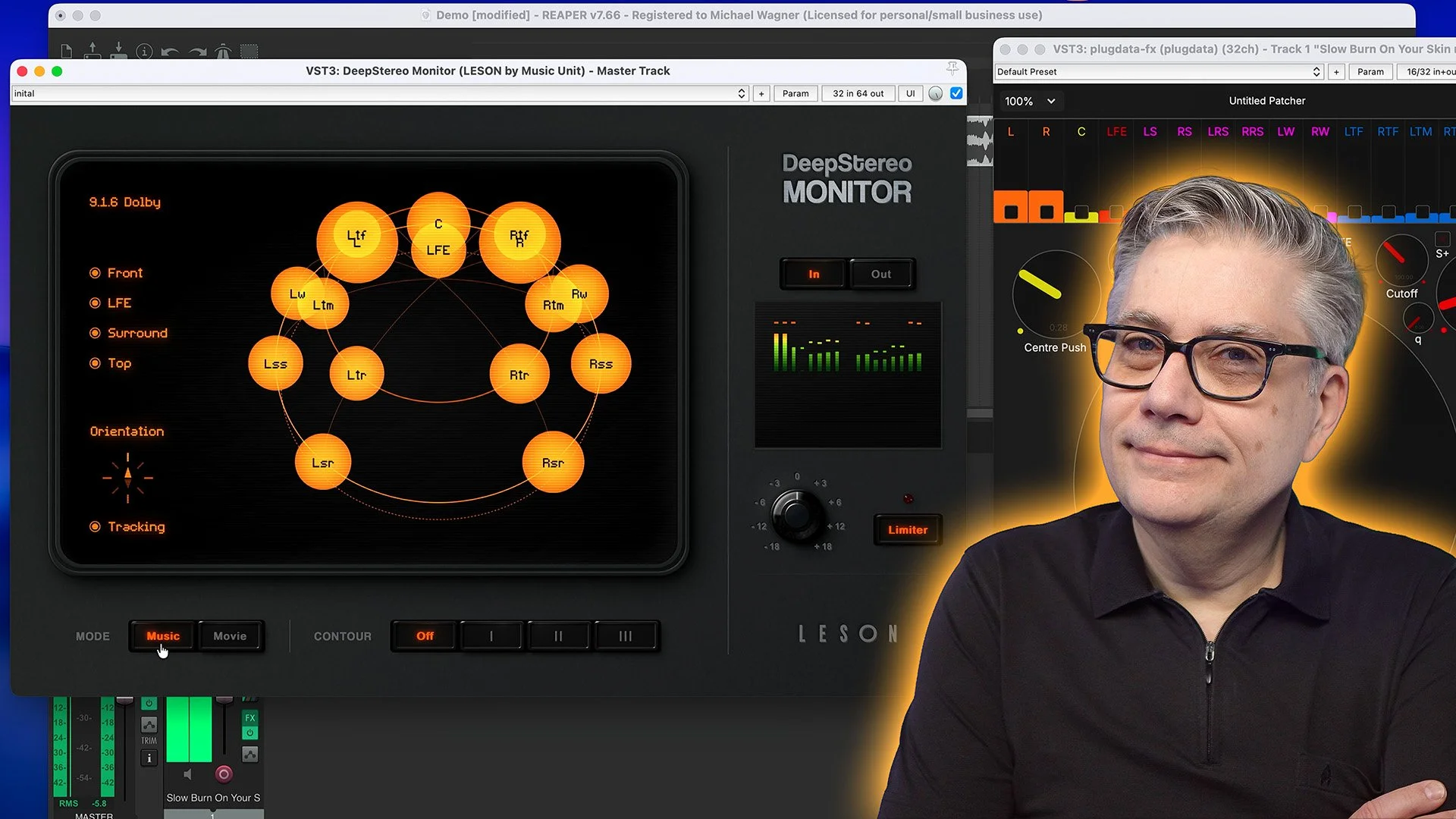
DeepStereo vs. Virtuoso — Which Binaural Renderer Should You Use?
I review DeepStereo Monitor by Leson, a new binaural renderer built on IRCAM research, and put it through its paces in Reaper with a full walkthrough of its features including head tracking. I also compare it head-to-head with APL Virtuoso to help you decide which renderer fits your immersive audio workflow.
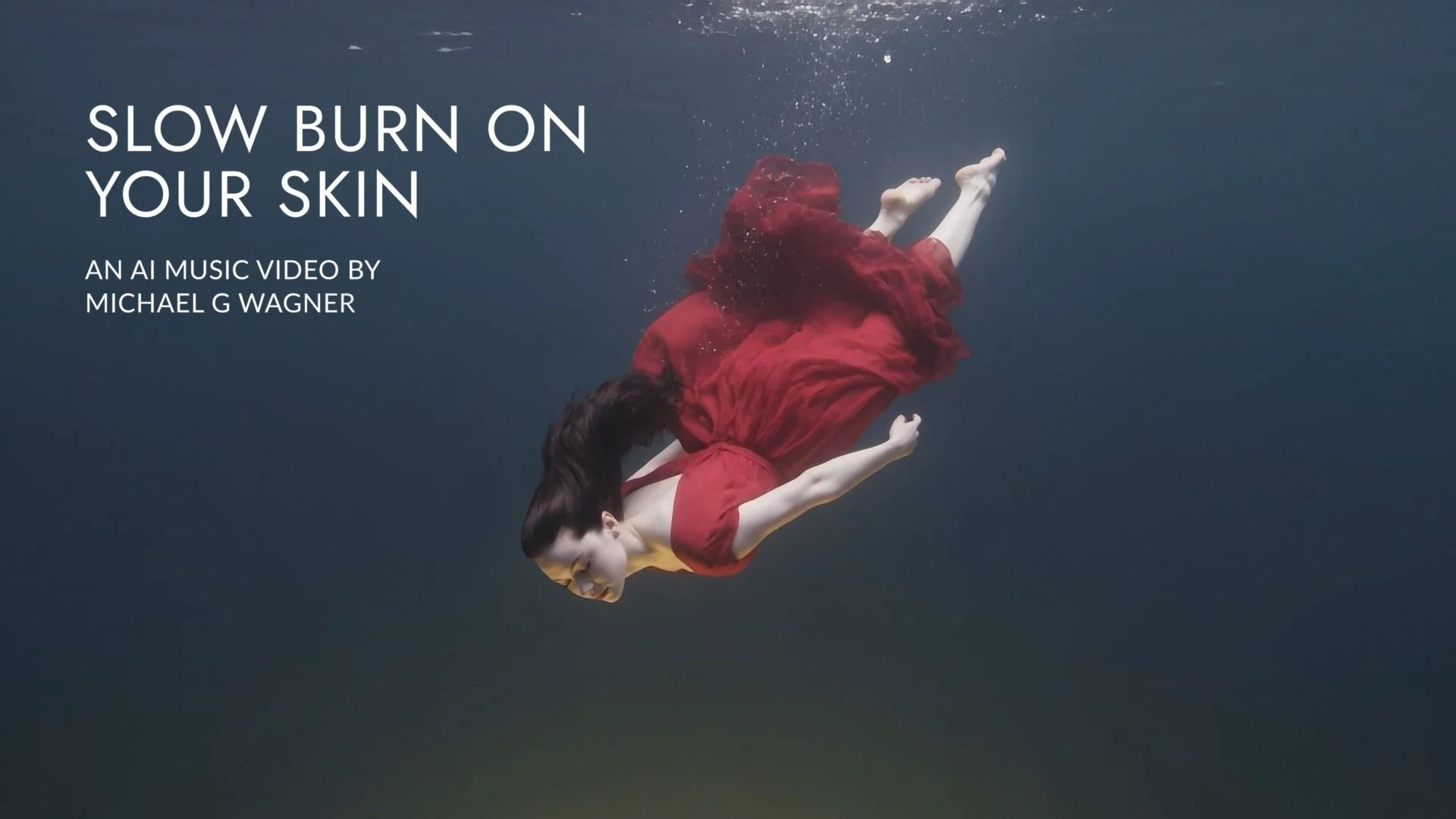
Slow Burn On Your Skin
"Slow Burn In Your Skin" — born from experimenting with Suno 5.5's latest features and seeing just how far its native language model can go with lyrics. And I had a pile of unused Kling credits.
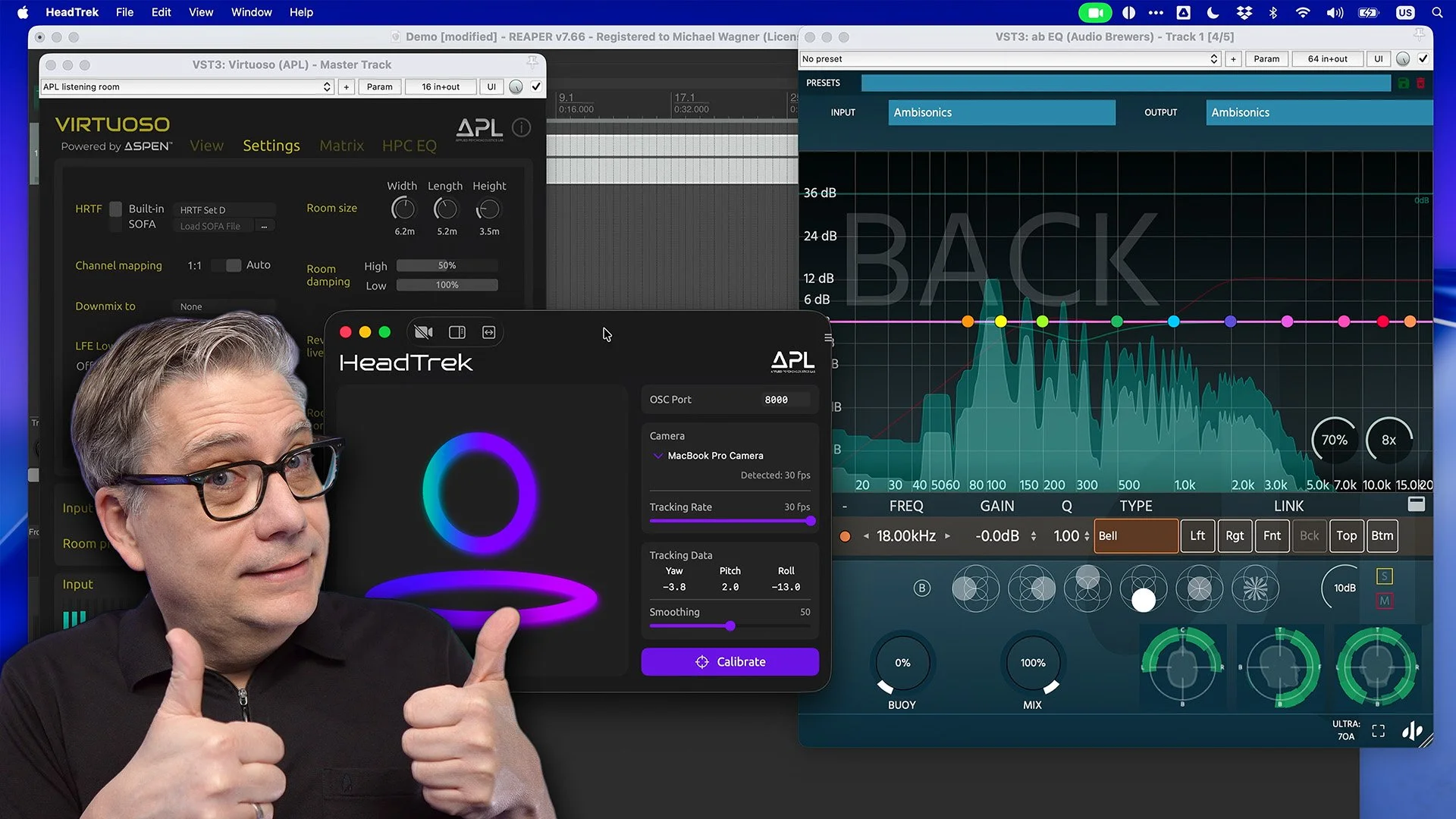
Why Did Nobody Make This Plugin Sooner? — Audio Brewers Ambisonics EQ
Audio Brewers just released abEQ, a first-of-its-kind ambisonics EQ that lets you independently EQ each dimensional pole of the ambisonics field — and I'm walking you through everything it can do. I've also got a surprise reveal: Virtuoso's new HeadTrek feature, which turns your webcam into a head tracker for binaural monitoring.

Rick Beato Is Almost Right About AI — Here's What's Missing
I respond to Rick Beato's argument that AI data centres are headed for the same fate as 1990s recording studios, agreeing with the core pattern while adding nuance around the hybrid future of local and cloud AI. I also demonstrate how to generate a complete AI song entirely on your local machine for free, using LM Studio and ComfyUI with the open-source ACE-Step 1.5 model.
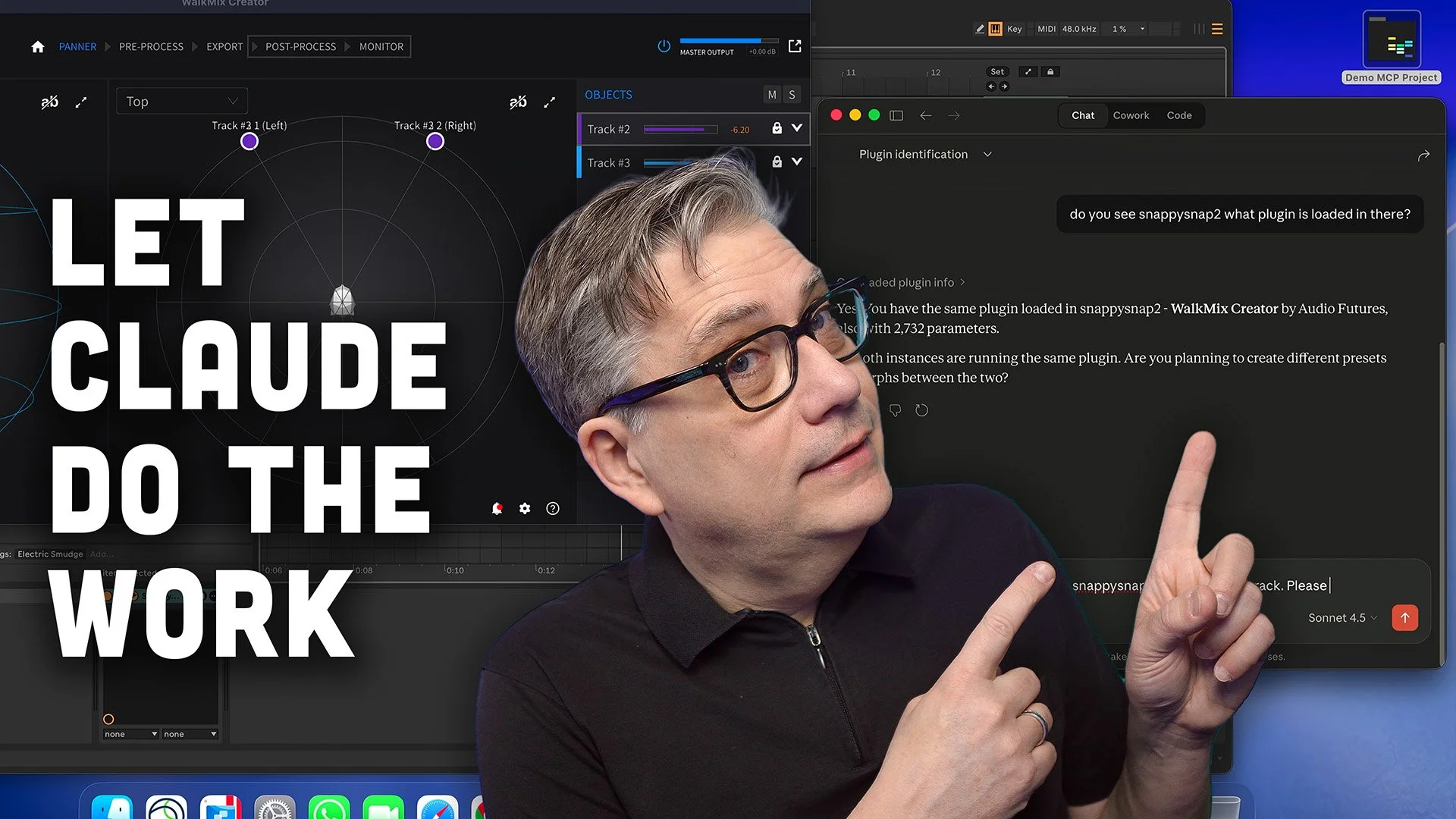
SnappySnap + Claude AI: A Virtual Collaborator Inside Your DAW
In this follow-up to my SnappySnap review, I demonstrate the plugin's MCP integration, which lets you use Claude as a natural language interface to position immersive audio objects, create snapshots, and automate your mix — all inside your DAW. I walk through the full setup from scratch and show what this kind of AI-plugin collaboration actually looks like in practice.
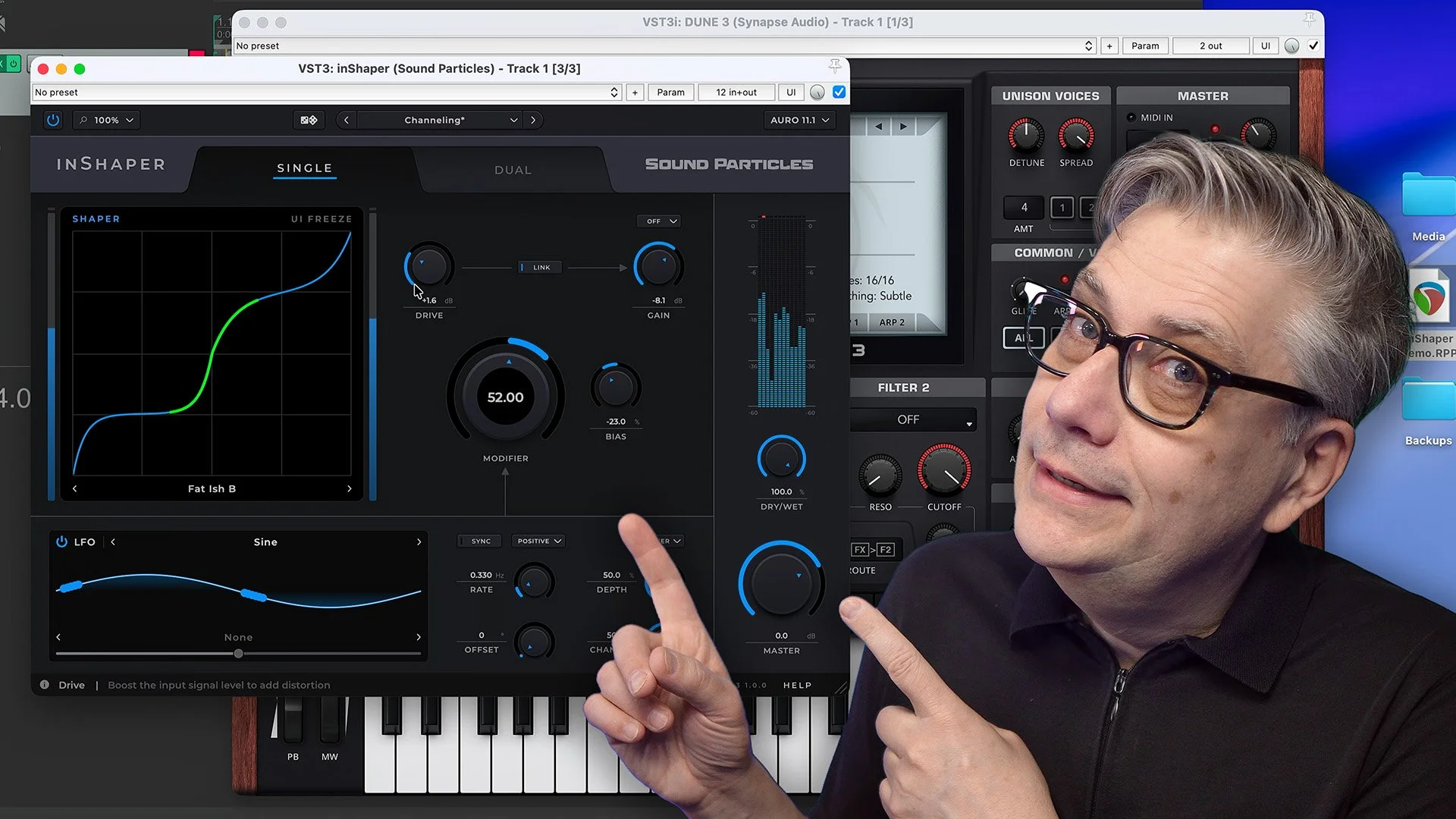
Sound Particles InShaper — Multi-Channel Waveshaping Up to 22.2!
In this video, I explore InShaper, Sound Particles' new LFO-driven waveshaper plugin, and put its impressive multi-channel capabilities — supporting formats all the way up to NHK 22.2 — to the test in a 7.1.4 Dolby Atmos session in Reaper. While the plugin has some limitations for immersive audio work, such as the inability to bypass individual channels internally, it's a convenient and powerful tool for spatial audio producers looking to add creative waveshaping to their multi-channel workflow.
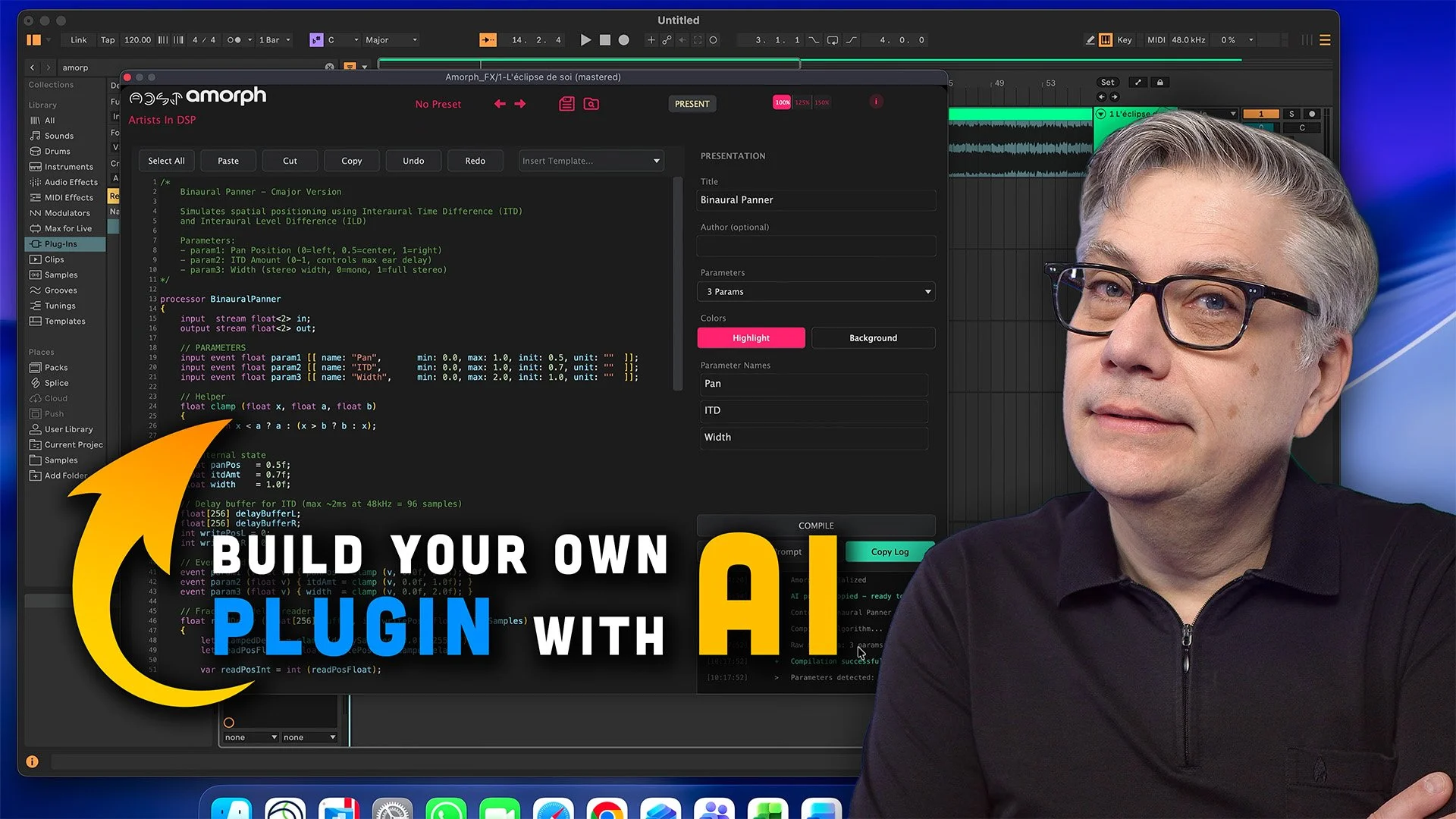
I Built a Binaural Panner from Scratch Using AI — No Coding Required
I test Amorph, a free plugin that lets you create your own audio effects and instruments using generative AI — no coding required. Watch me build a binaural panner with interaural time difference from scratch and see how it performs in practice.
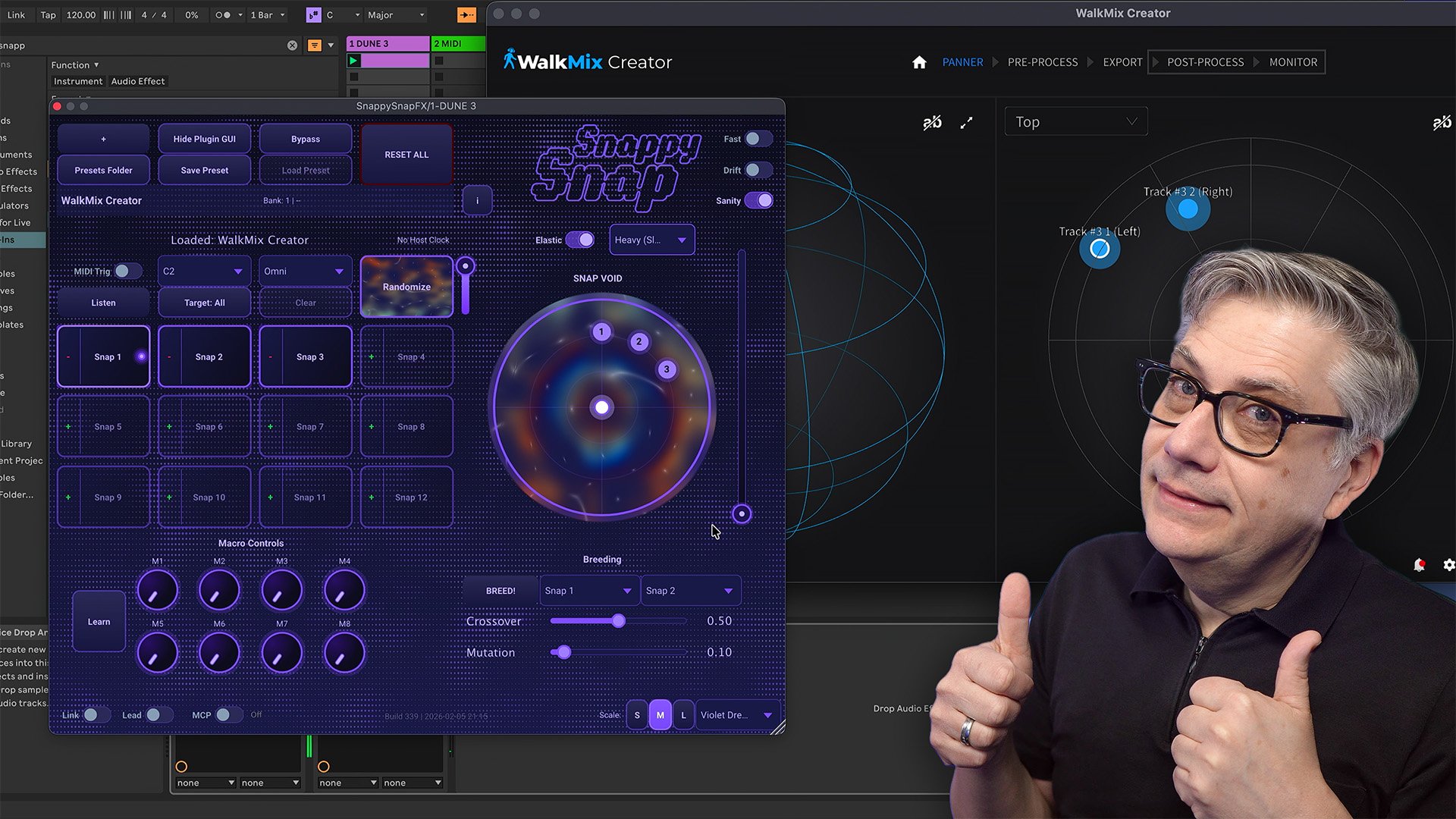
How SnappySnap Can Transform Your Immersive Audio Workflow
SnappySnap by Electric Smudge lets you automate entire parameter snapshots instead of individual parameters, making immersive audio workflows in Atmos, Sony 360 RA, and other formats dramatically easier. In this video, I demo the plugin with the Sony WalkMix Creator and take a look at its standout features, including snapshot interpolation, elasticity smoothing, instance linking, and built-in MCP integration for large language models.
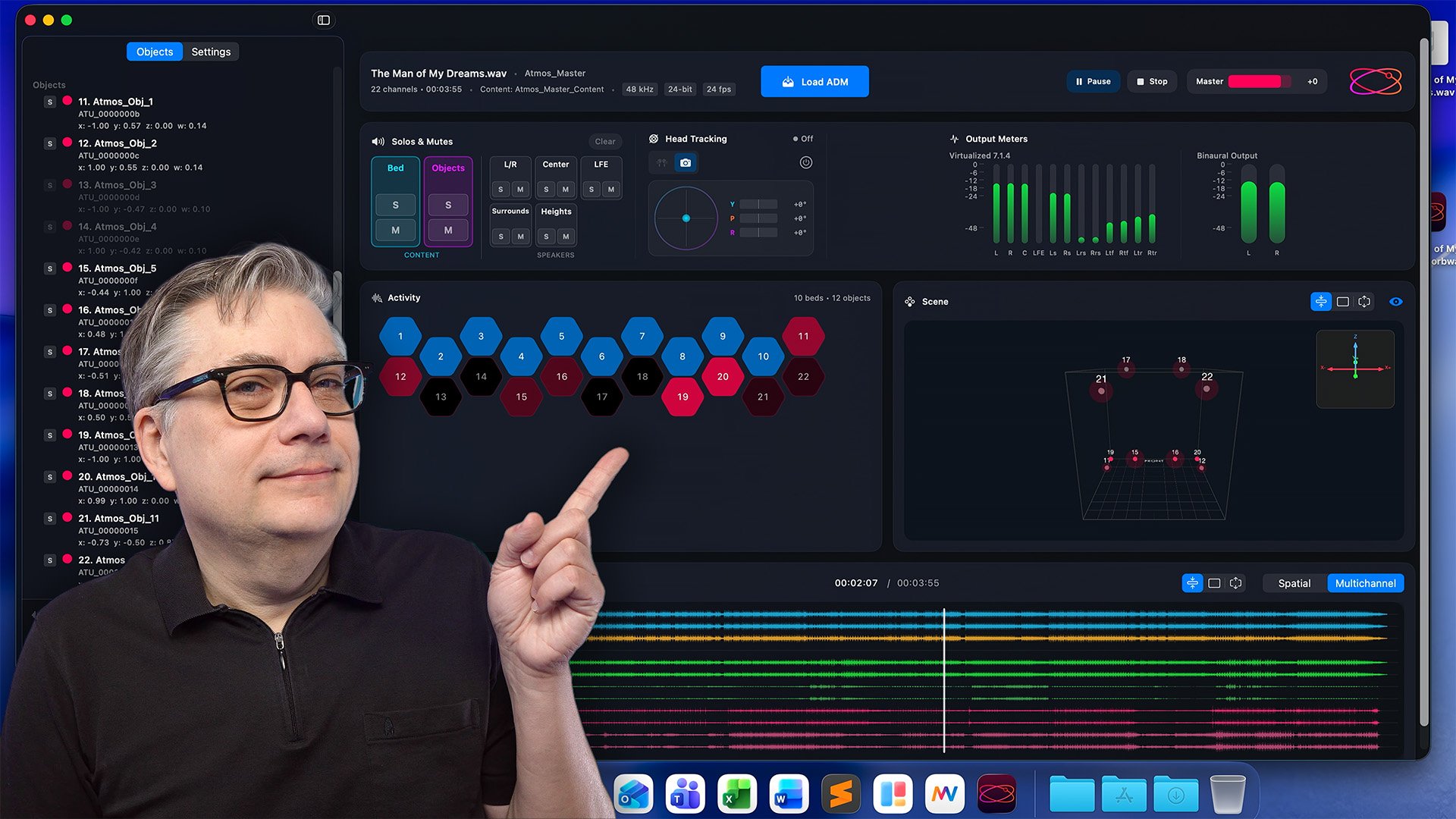
Orbit by Orbit Spatial: The Atmos Player We've Been Waiting For
In this video, I review Orbit by Orbit Spatial — a brand-new dedicated Dolby Atmos music player that finally makes it easy to play back and inspect your Atmos master files without needing the Dolby Atmos Renderer. At just 79 pounds (39 for educational users) and packed with features like object soloing, head tracking, and metadata PDF export, this Mac-only tool gets my first-ever unconditional buy recommendation.
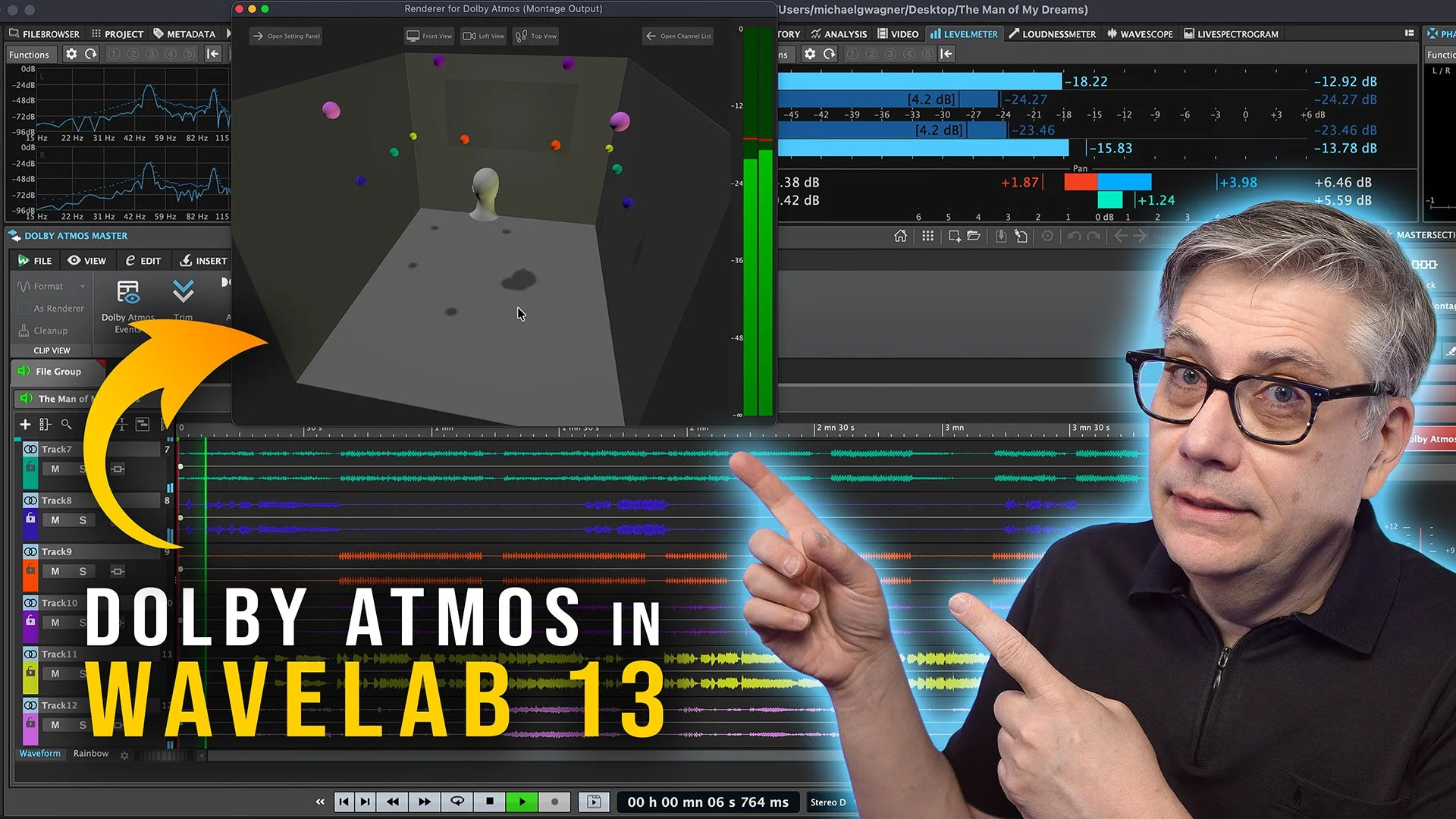
Is WaveLab 13 the Best Dolby Atmos Mastering Solution? Let's Find Out
In this video, I explore WaveLab 13's new Dolby Atmos mastering features, walking you through the complete workflow from ADM import to final render. I also compare it to competing solutions and share my honest verdict on whether it's worth the investment.
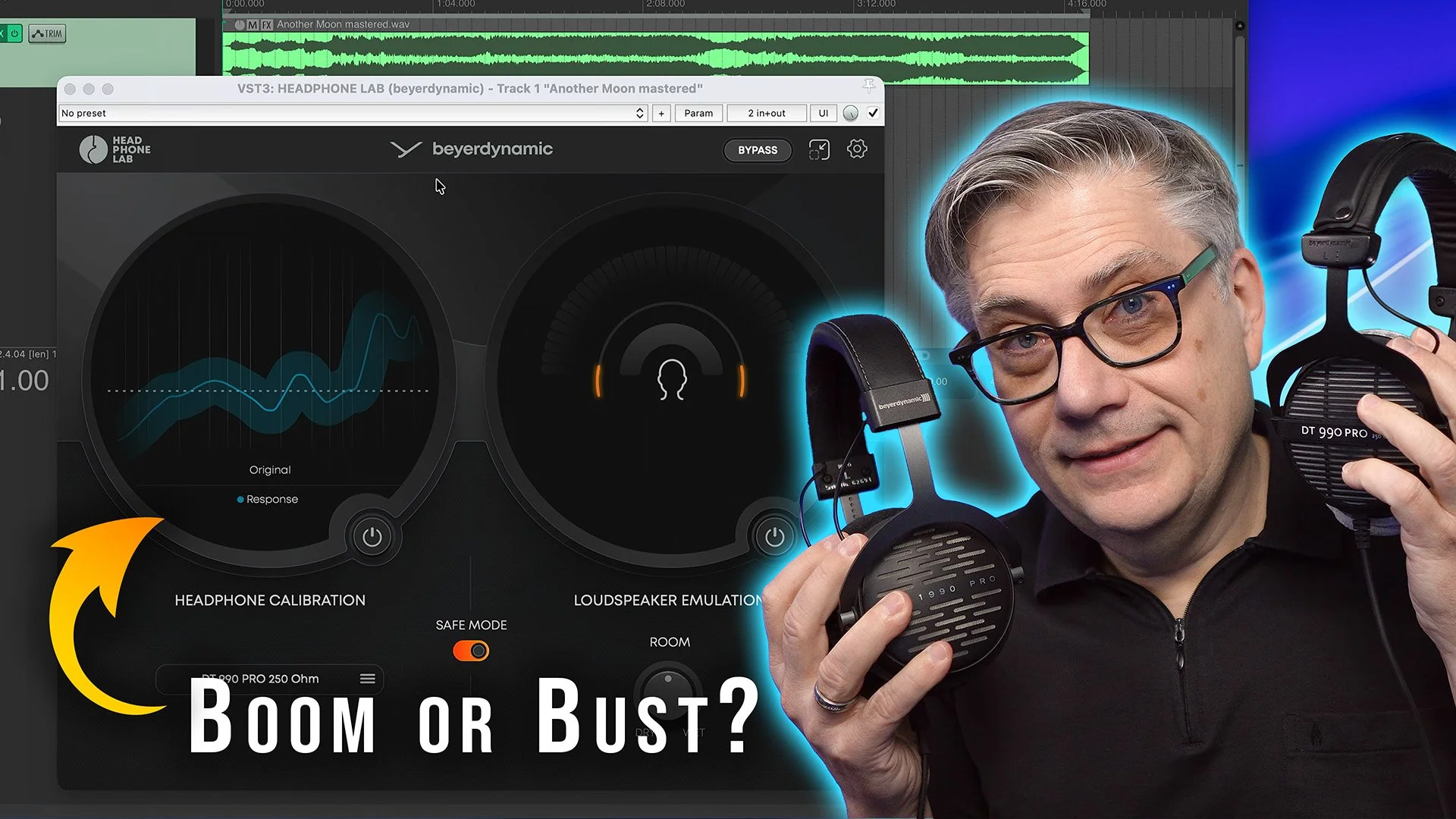
Beyerdynamic Headphone Lab: Free Studio Simulation Worth Using?
I review Beyerdynamic's free Headphone Lab plugin, which offers headphone correction and virtual studio room simulation for Beyerdynamic headphones. While it's simple to use and costs nothing, it has limitations including stereo-only support and a missing blend option for the correction curve.
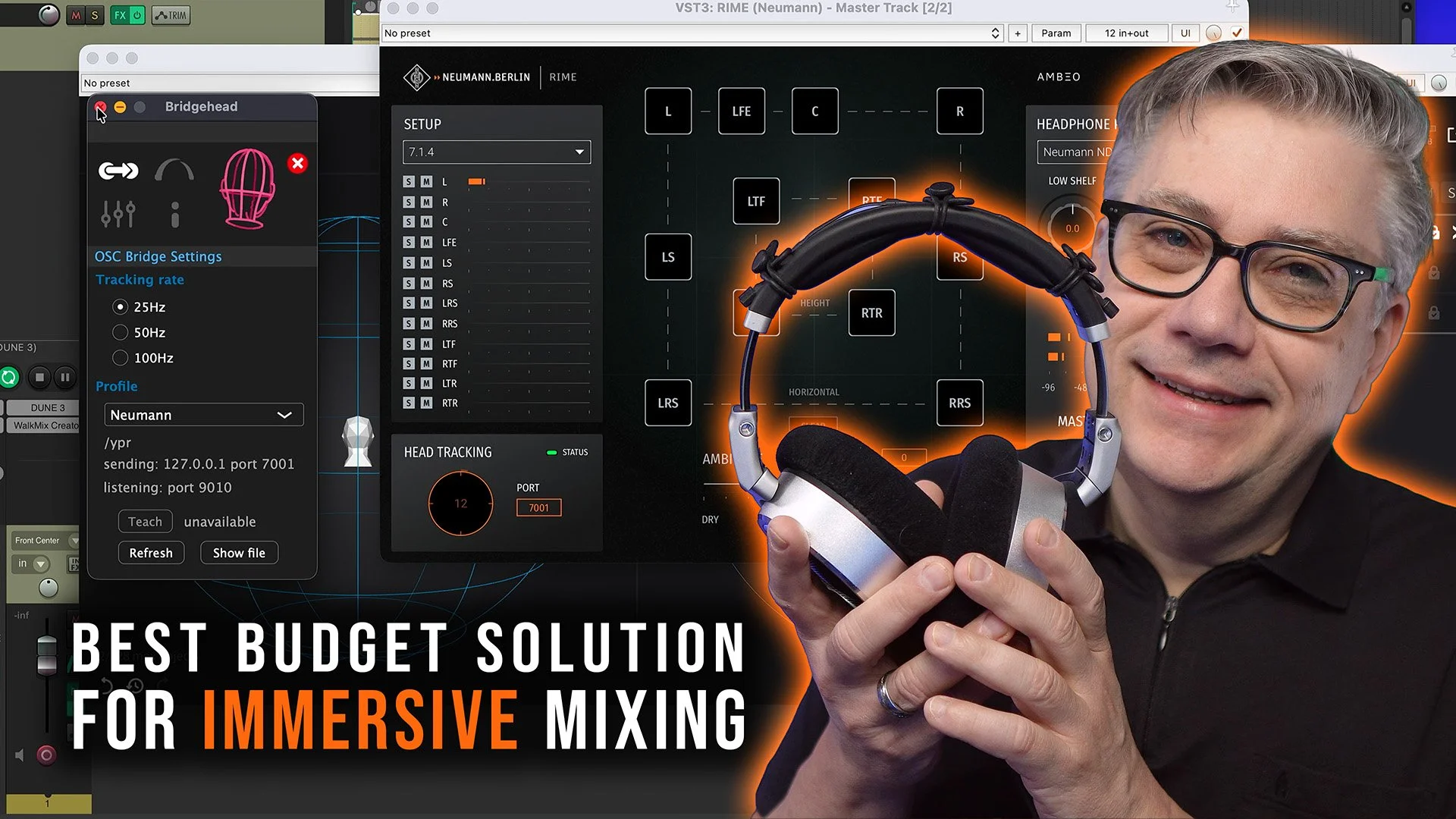
Neumann RIME Update: Full 3D Head Tracking Changes Everything (+ WalkMix Creator Update)
I revisit the Neumann RIME plugin and Supperware Head Tracker combination, now with full 3D head tracking support, and compare it to the newly updated WalkMix Creator for immersive audio production. If you've wanted to work with spatial audio but lack the space or budget for a 7.1.4 studio, this setup is an outstanding and surprisingly affordable solution.
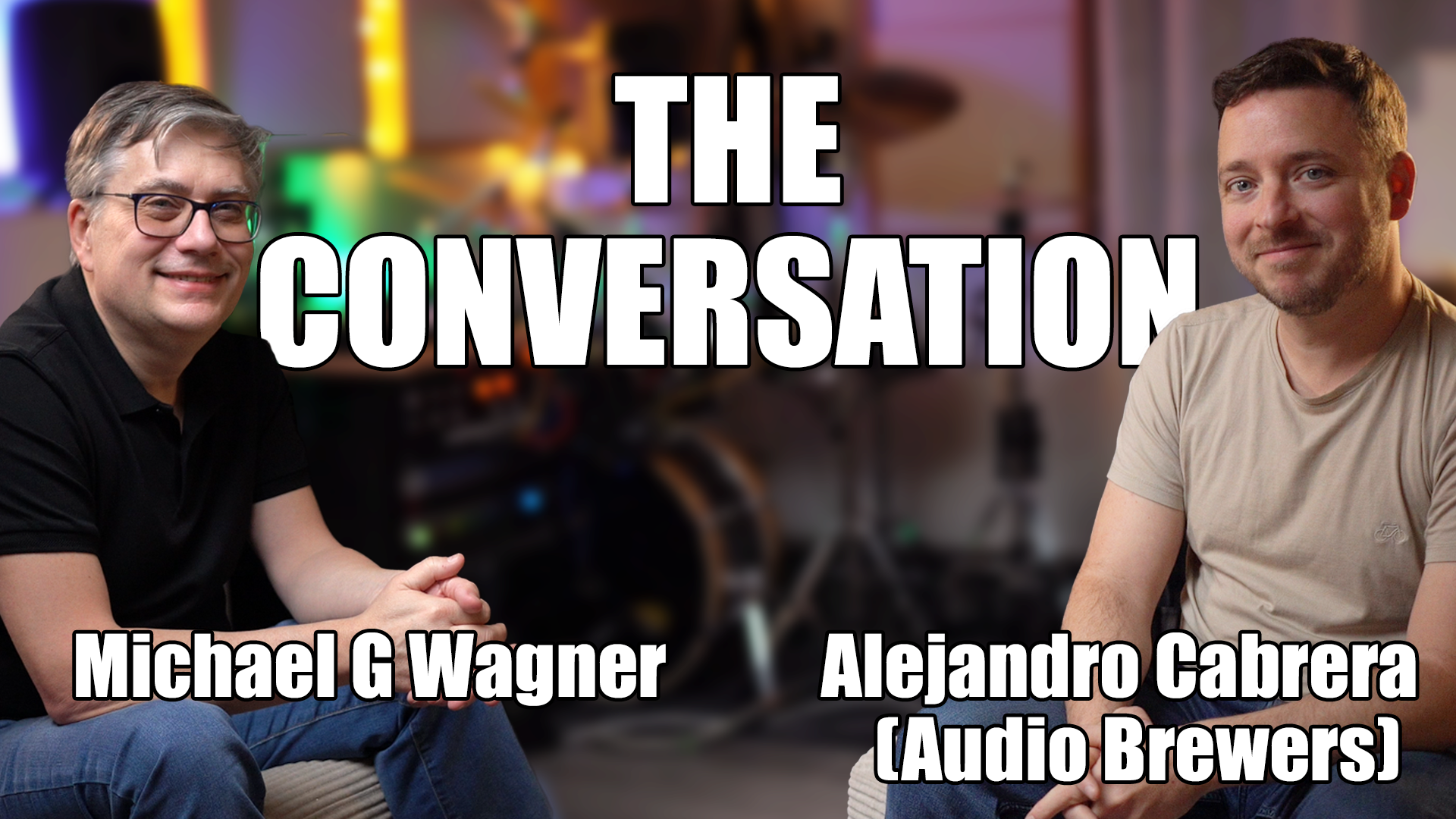
Michael G Wagner | Audio Brewers: The Conversation
During a conference visit to Athens, I toured Alejandro Cabrera's acoustically isolated studio and discussed his recent integration of Audio Brewers' ambisonic decoder into Pro Tools, which streamlines spatial audio workflows by automating technical configuration. The conversation explored how his dual perspective as artist and developer informs plugin design that prioritizes creative usability over exposing every available parameter.
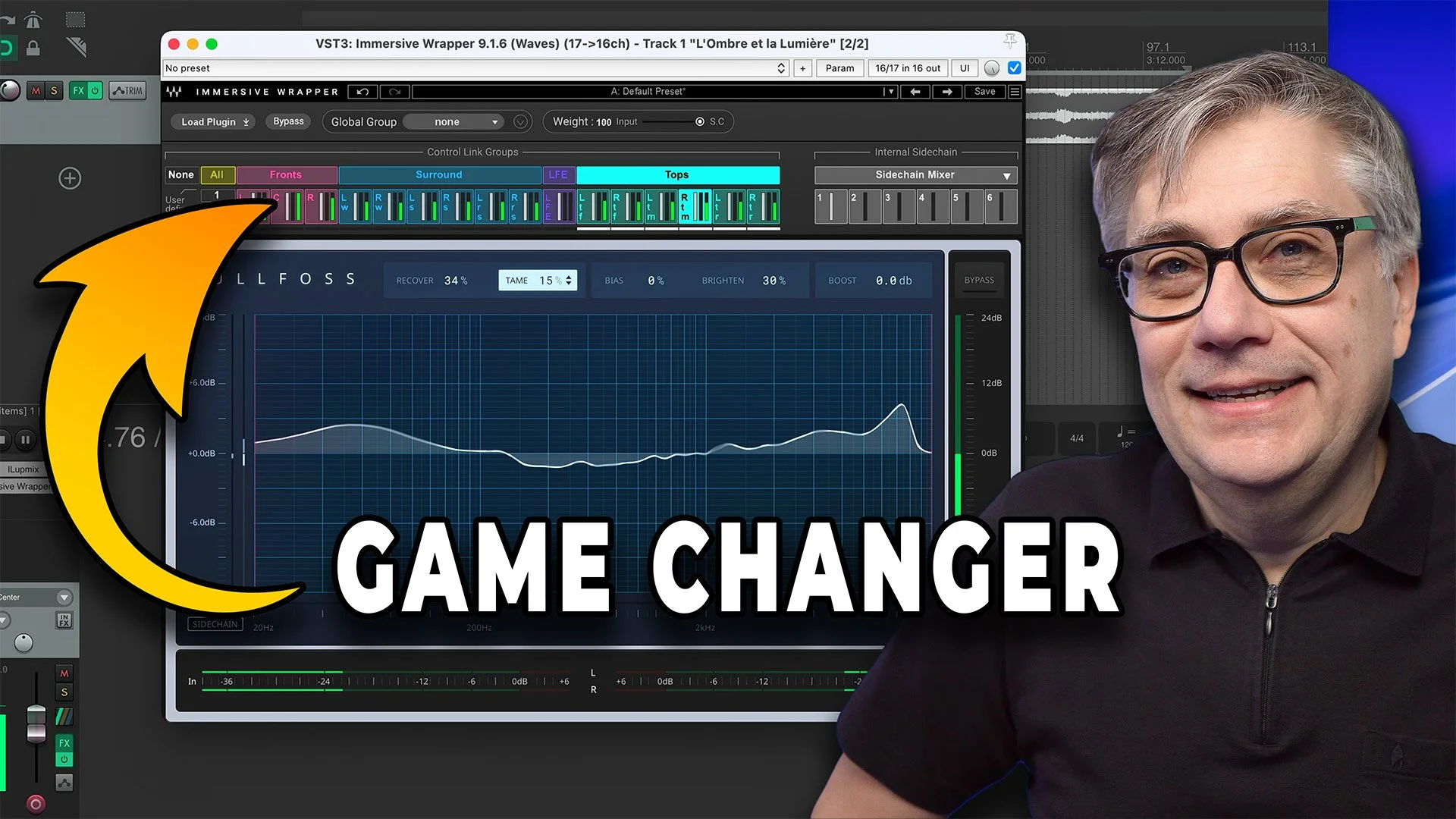
Waves Immersive Wrapper Now Supports VST3 Plugins – Game Changer for Spatial Audio
In this video, I explore the Waves Immersive Wrapper's new ability to wrap any VST3 plugin for immersive audio formats up to 9.1.6, making it one of the most powerful tools in immersive audio today. While the plugin itself is outstanding, I also address the elephant in the room—Waves' controversial 2023 attempt to eliminate perpetual licenses—and explain why this affects my recommendation.
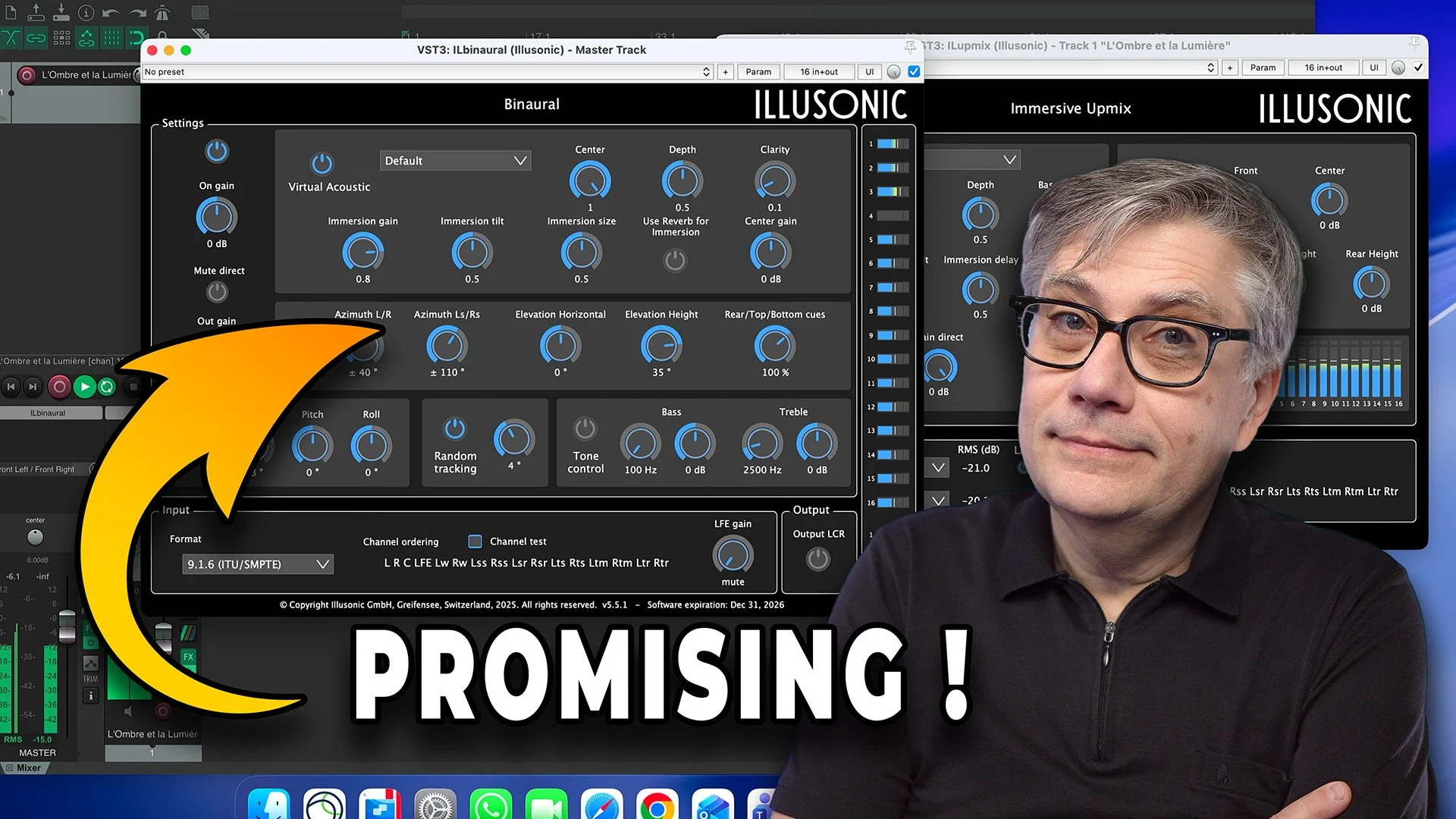
Illusonic Plugin Suite: Professional Spatial Audio Tools You Need to Try
In this video, I take a first look at the Illusonic plugin suite—a set of four immersive audio plugins currently available for free during beta testing, including an impressive upmixing plugin that supports rare formats like Sony 360RA's 13.1 layout. While the documentation is sparse, these plugins offer unique features you won't find elsewhere, and I'm particularly excited about the potential for head-tracking integration with the binaural renderer.
The Worst Spatial Audio Comments of 2025
This year I'm doing something different for my year-in-review: instead of talking about my videos, I'm highlighting some of the most negative, insulting, weird, and sometimes insane comments I received in 2025—plus a couple of wholesome ones for balance. From developers upset about not making my top 10 lists to confidently incorrect commenters and AI critics, it's been quite a journey through this year's comment section.