
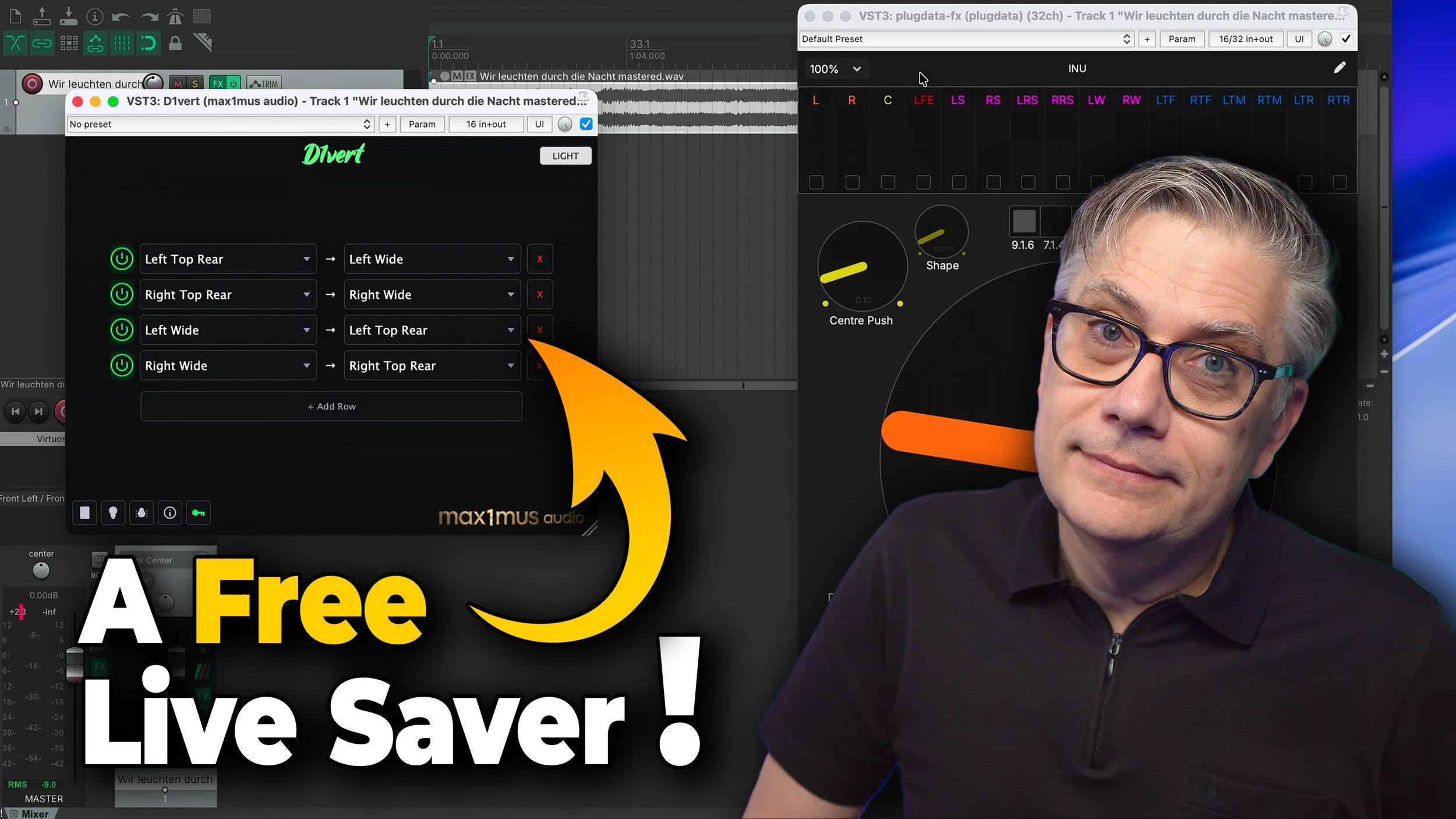
D1vert by Max1mus Audio: A Free Fix for Immersive Channel Chaos
In this video I check out D1vert, a free immersive audio plugin from Max1mus Audio that tackles one of the more annoying problems in higher channel formats like 9.1.6: channels that simply won't line up in the right order. I set up a real-world example in Reaper to see how well this small, simple tool handles a headache that usually calls for far more complicated solutions.
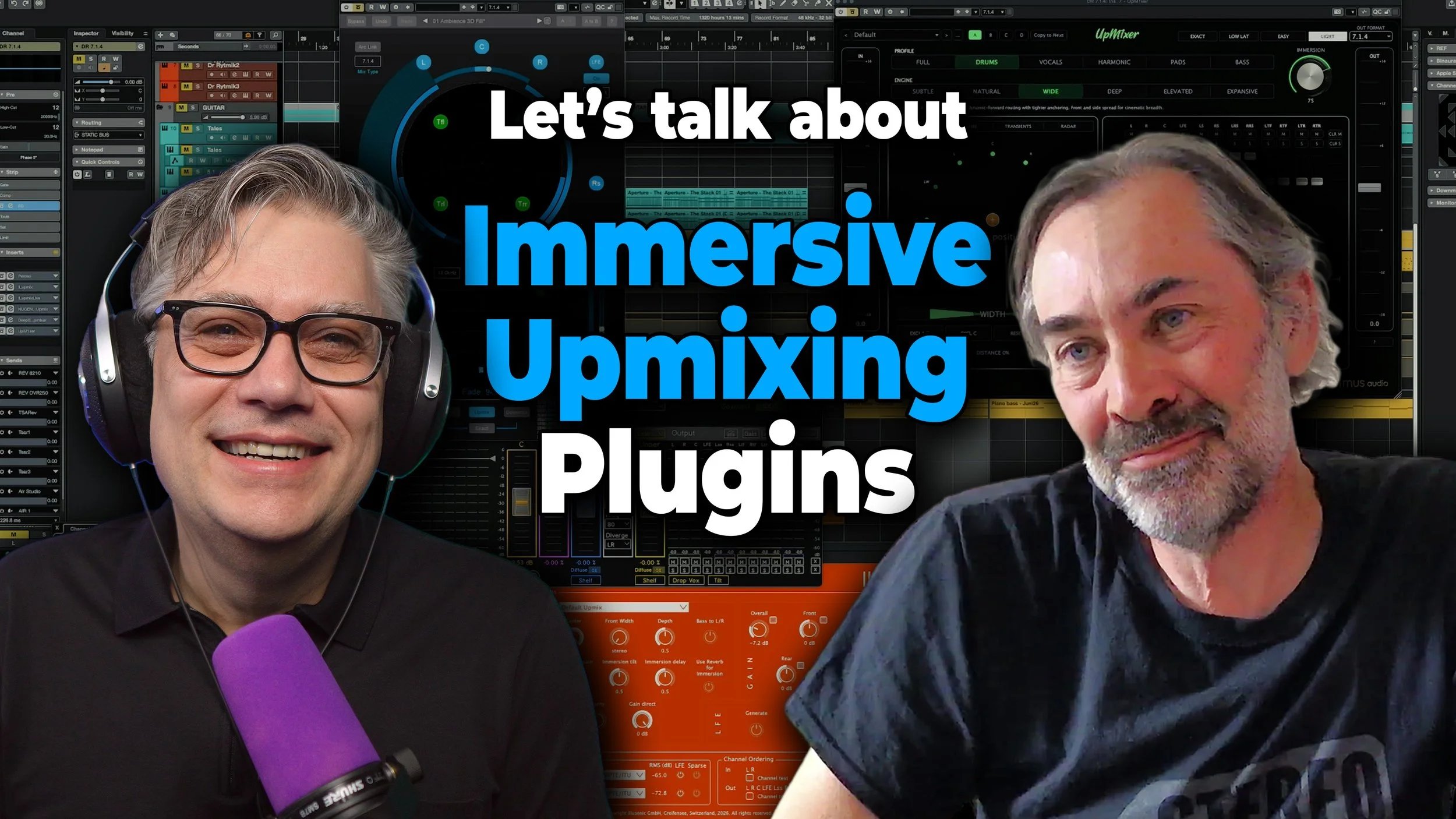
Penteo vs NUGEN Halo vs Illusonic vs Max1mus: Upmixing Compared - with Gert Keunen
In Part 2 of my series with Gert Keunen, author of Stereo Was a Nice Try, we take on the controversial question of whether you should upmix at all — then break down the immersive upmixing plugins that matter, from the pro-grade industry standard to free research tools and affordable creator options. We dig into sound quality, latency, format support, and price, and we each name a pick by the end.
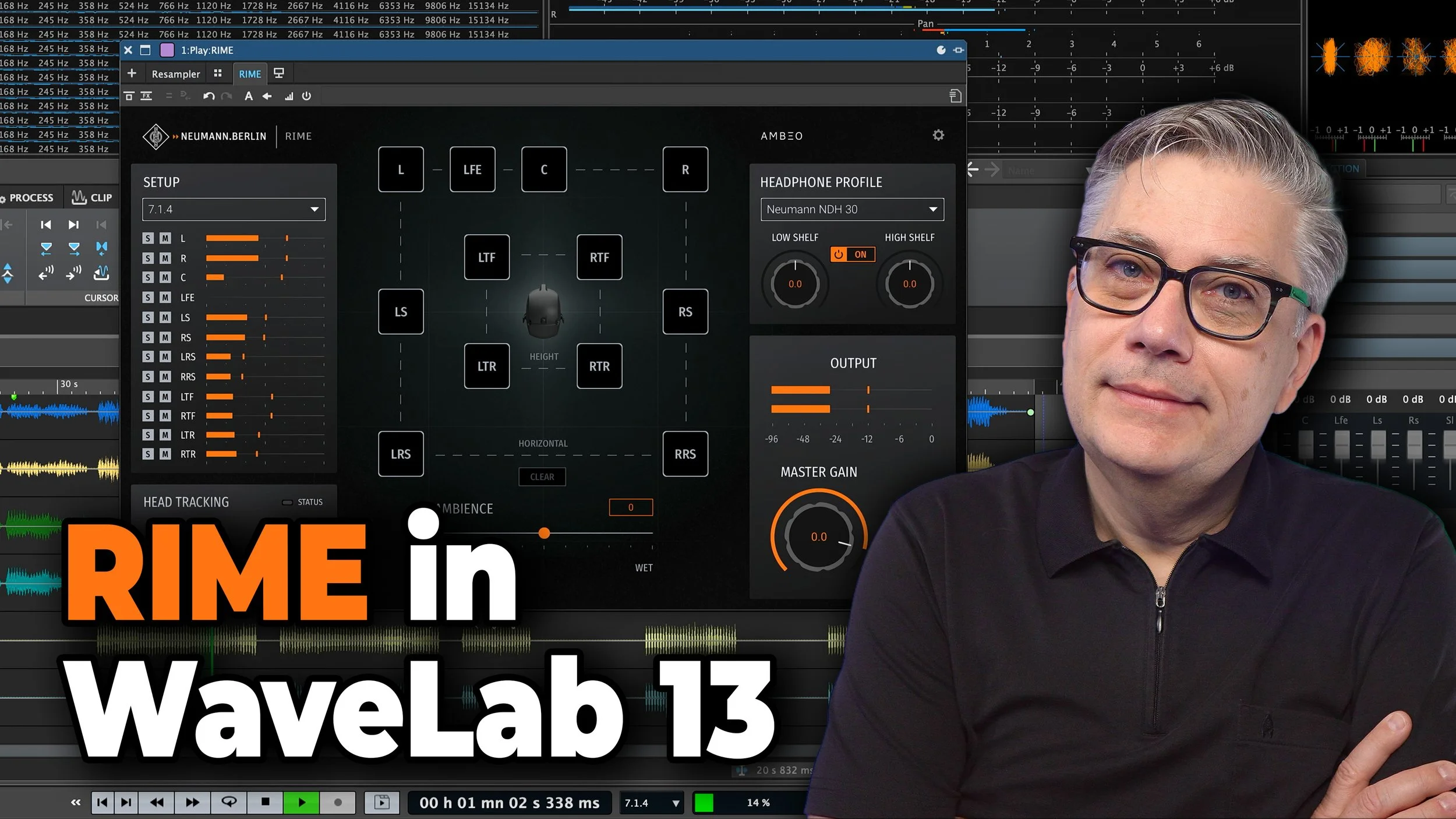
How to Use Neumann RIME Inside WaveLab 13 for Dolby Atmos
A viewer question sent me back to this channel's roots: how do you actually get Neumann RIME working inside WaveLab 13 to monitor Dolby Atmos on headphones? I also show a bonus trick for adding Apple Spatial Monitoring the same way, so you can virtualize your Atmos studio anywhere.
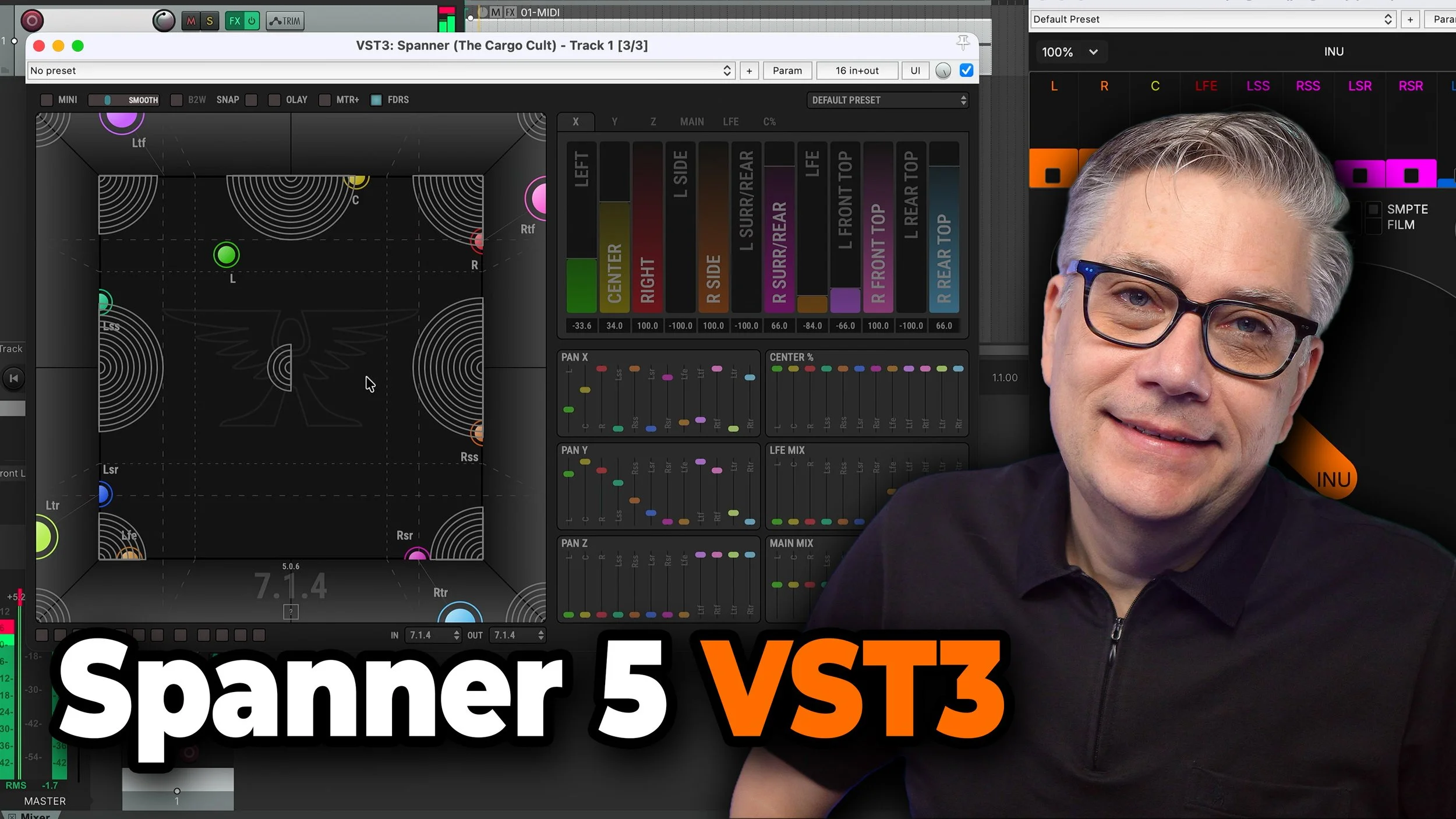
Spanner 5 in Reaper: The Channel-Layout Fix You Need to Know
I take a hands-on look at Spanner 5, The Cargo Cult's immersive channel panning plugin, now available in VST3 and Audio Unit alongside its long-standing Pro Tools version. I show how it handles panning, up-mixing, and down-mixing across Reaper, solve a Reaper specific channel routing issue, and share my honest verdict.
Immersive Audio Panners Explained — with Gert Keunen
I sit down with Gert Keunen, author of Stereo Was a Nice Try, to break down the immersive audio panning plugins that matter right now — from cinema-grade channel tools to creative, movement-driven effects — and what actually makes one worth putting in your workflow. It's Part 1 of a two-part series (upmixers are coming next), and we each reveal a personal favorite at the end.
Inside South Loop Studios: A Spatial Audio Suite Built in Months
I sit down with Ben Weatherill, the one-man team behind South Loop Studios, to talk about how a small side project became a full suite of immersive audio tools — from Orbit and Orbit Pro to the Esfera streaming platform, OSLS, and Cota — in a matter of months. We dig into open formats like IAMF and Google Eclipsa, how they stack up against Dolby Atmos and Apple Spatial Audio, and where 3D sound is headed next.
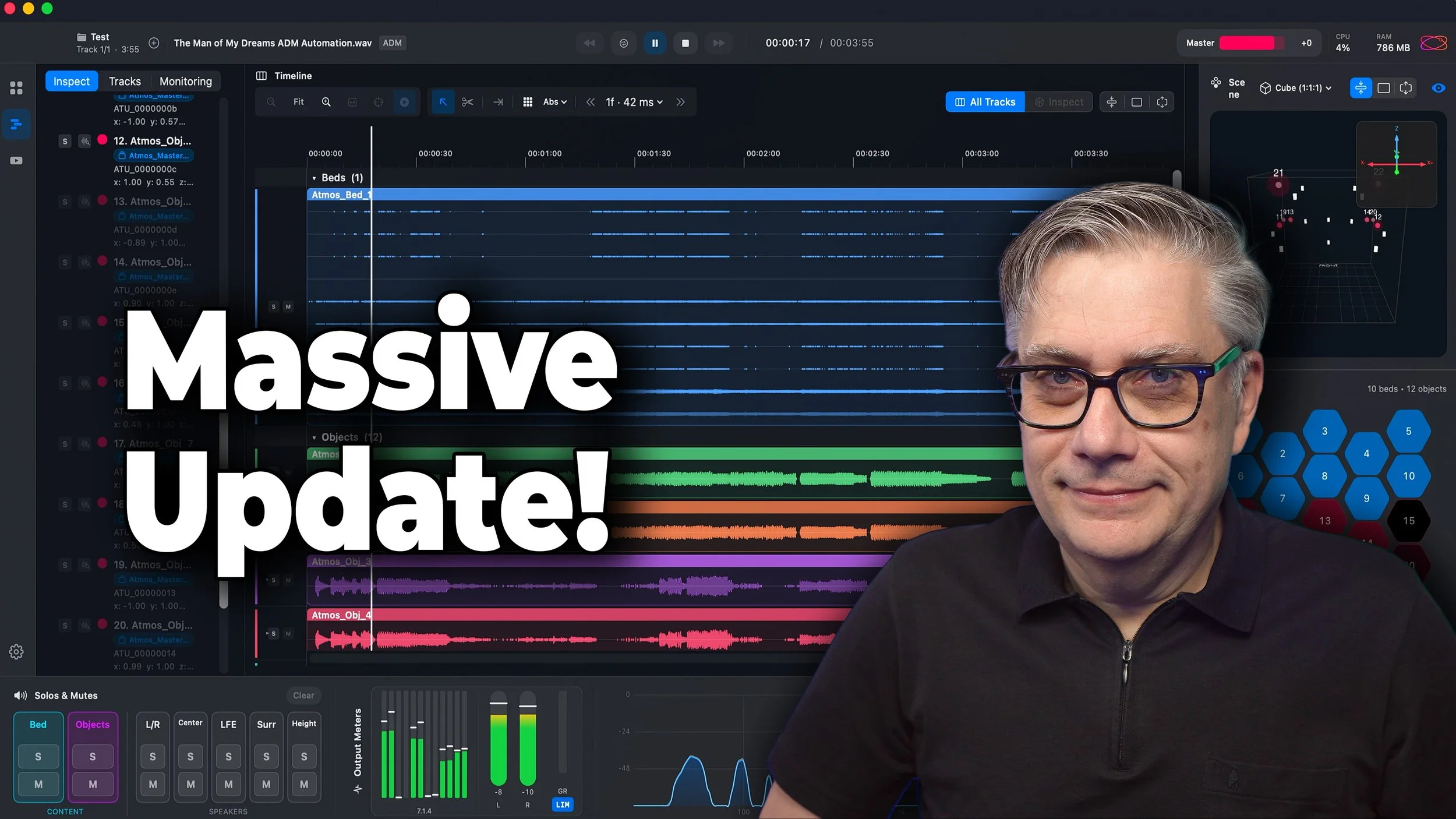
Orbit Pro 1.5: The Update That Changes Everything
Orbit Pro 1.5 brings a dramatically cleaner interface and a surprising new capability that pushes the software into fresh territory. I break down what's improved, what still needs work, and whether this tiny developer is quietly outpacing the giants behind Eclipsa Audio.
A Chat With Nine Angles For Forte
I sit down with Pablo Garcia-Valencuela of Nine Angles For Forte, a two-decade pioneer of immersive live performance, to dig into SPAT Curve, his patent-pending 3D Kontakt instrument built for the stage. We cover where immersive audio is heading, why he builds instruments rather than tools, and a few creative directions that genuinely caught me off guard.
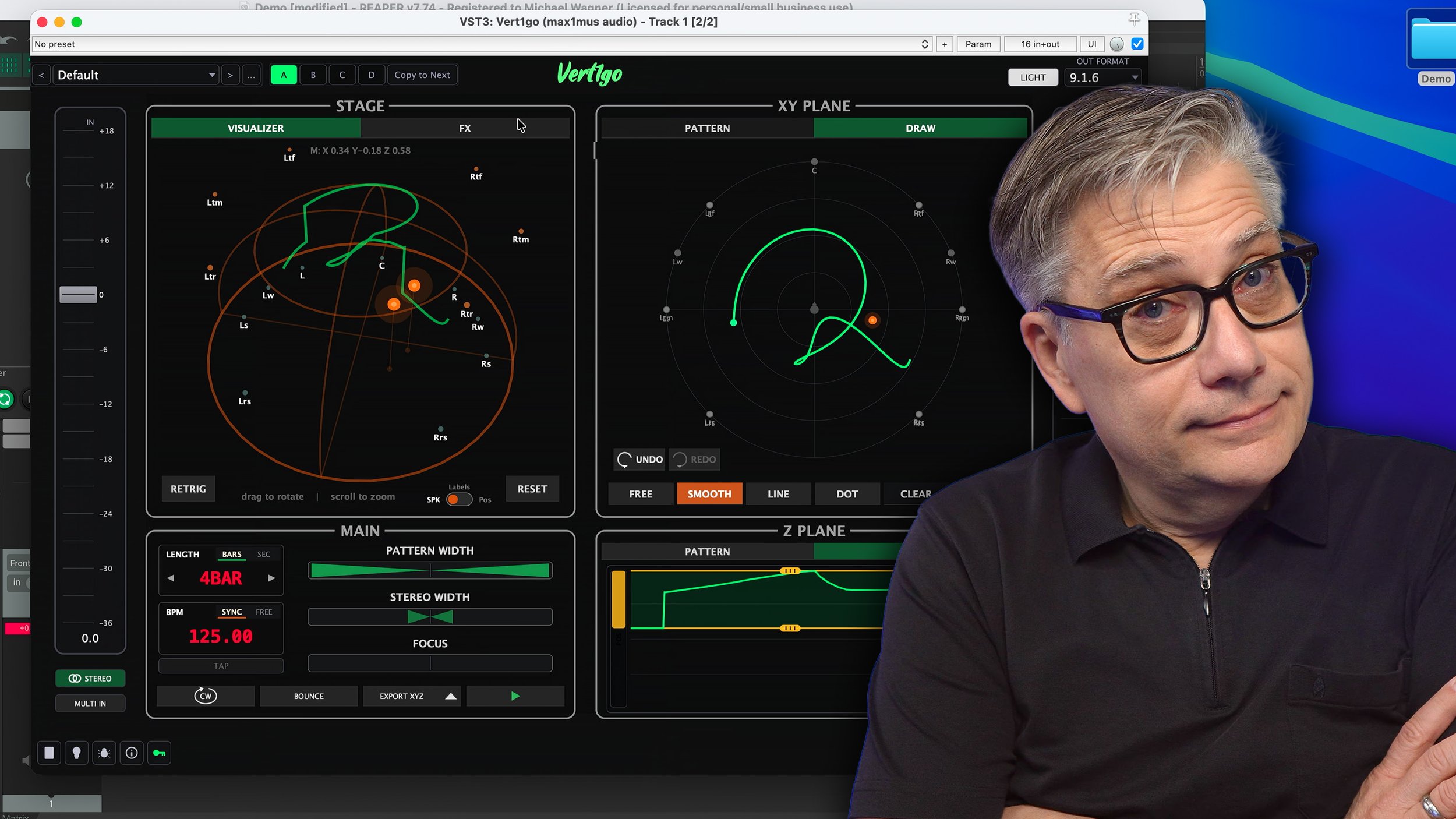
Is Vert1go the Easiest 3D Auto-Panner Yet?
I dive into Vert1go, the new immersive 3D auto-panner from Max1mus Audio, and explore everything from its pattern library and draw mode to a clever feature for object-oriented workflows like Dolby Atmos. I also compare it head-to-head with Sound Particles' Beat Panner so you can decide which one belongs in your immersive audio toolkit.
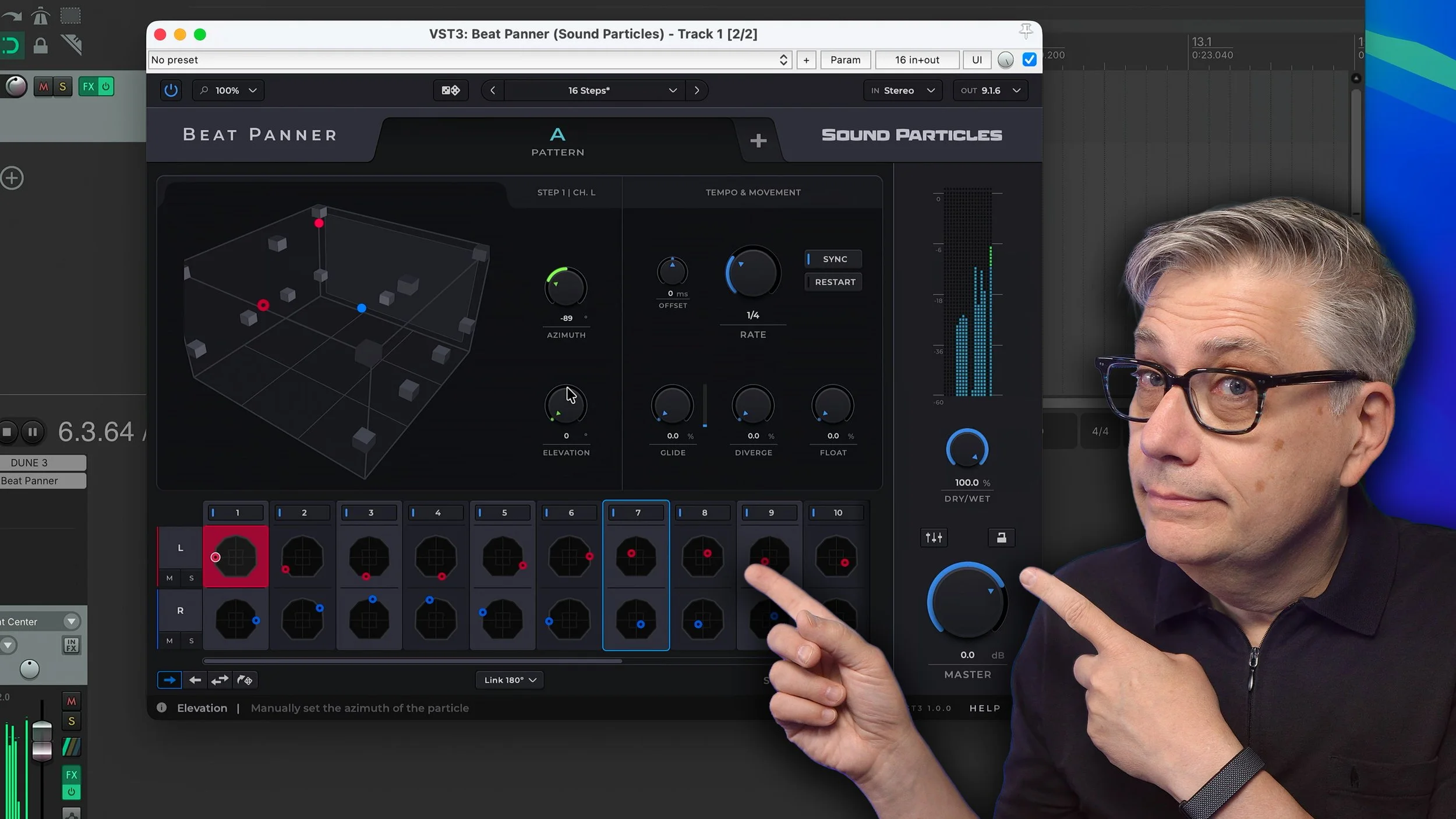
Beat Panner by Sound Particles: Auto-Panning in 3D
Sound Particles just released Beat Panner, a new plugin that works like an auto-panner in three-dimensional space for immersive and spatial audio. In this video I explore what it does, who it's for, and give my honest verdict, limitation and all.
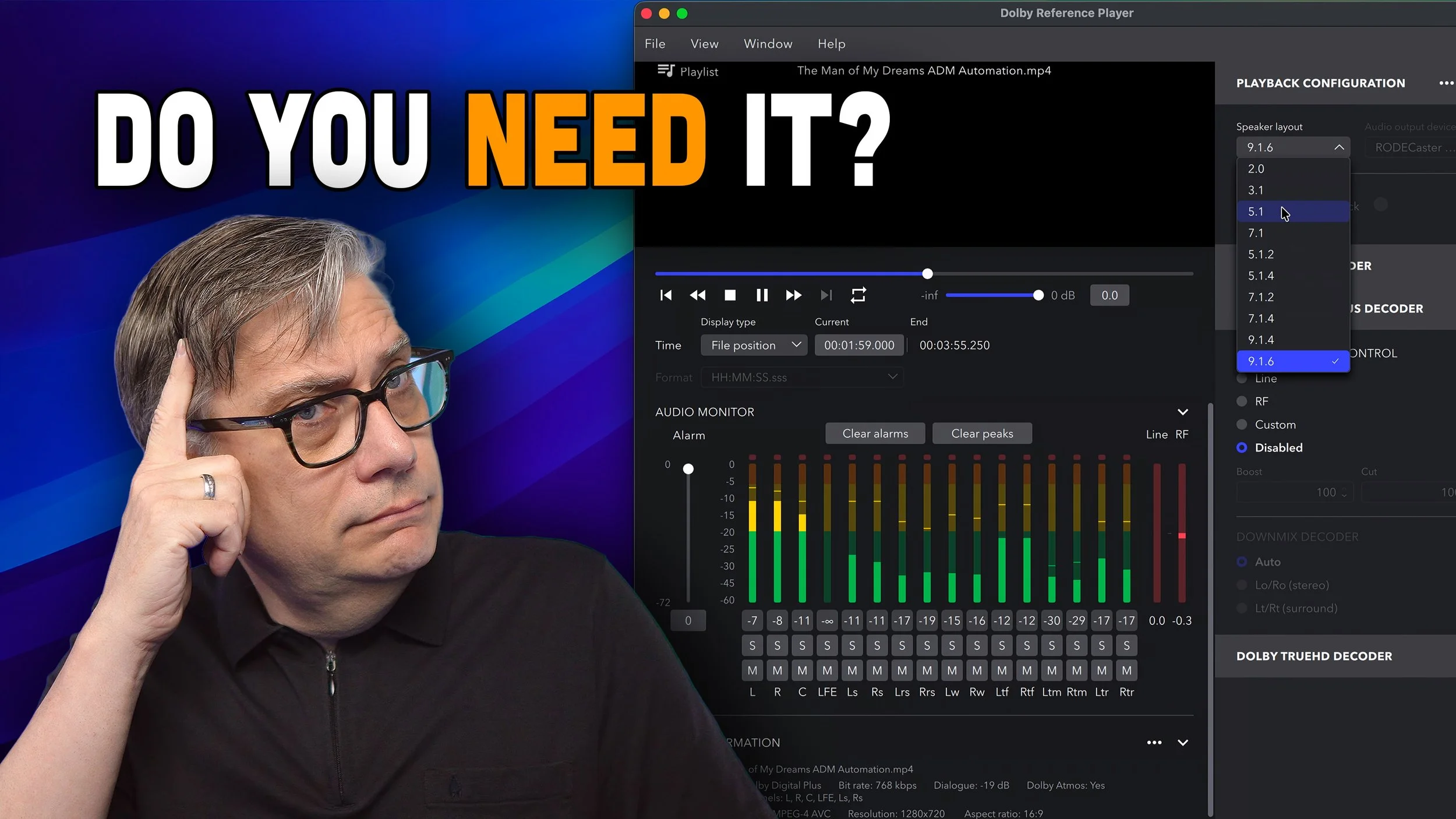
Dolby Reference Player: Do You Actually Need It?
Dolby recently made the Dolby Reference Player available to buy on its own, so I take a hands-on look at what it does, how it fits into Dolby Atmos quality control, and how to create a bitstream you can actually test. The real question, though, is who this $50 tool is for — and whether hobbyists and semi-professionals need it at all.
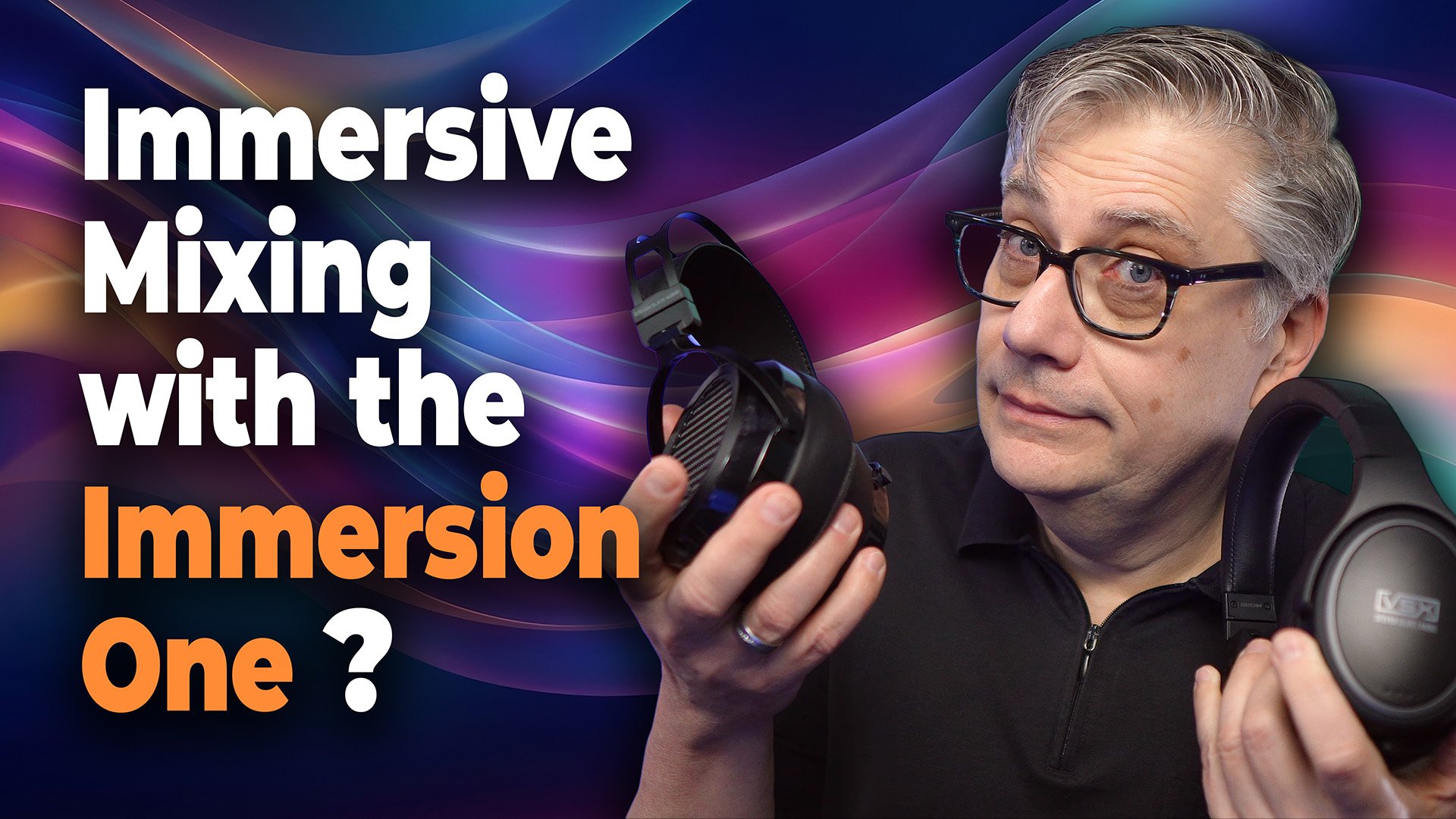
Steven Slate Immersion One: Can You Mix Immersive Audio with VSX?
I answer the two biggest questions I keep getting about the Steven Slate Immersion One: can you use the VSX system for immersive audio, and should you upgrade from the original VSX? My verdict might surprise you — better doesn't always mean right for you.
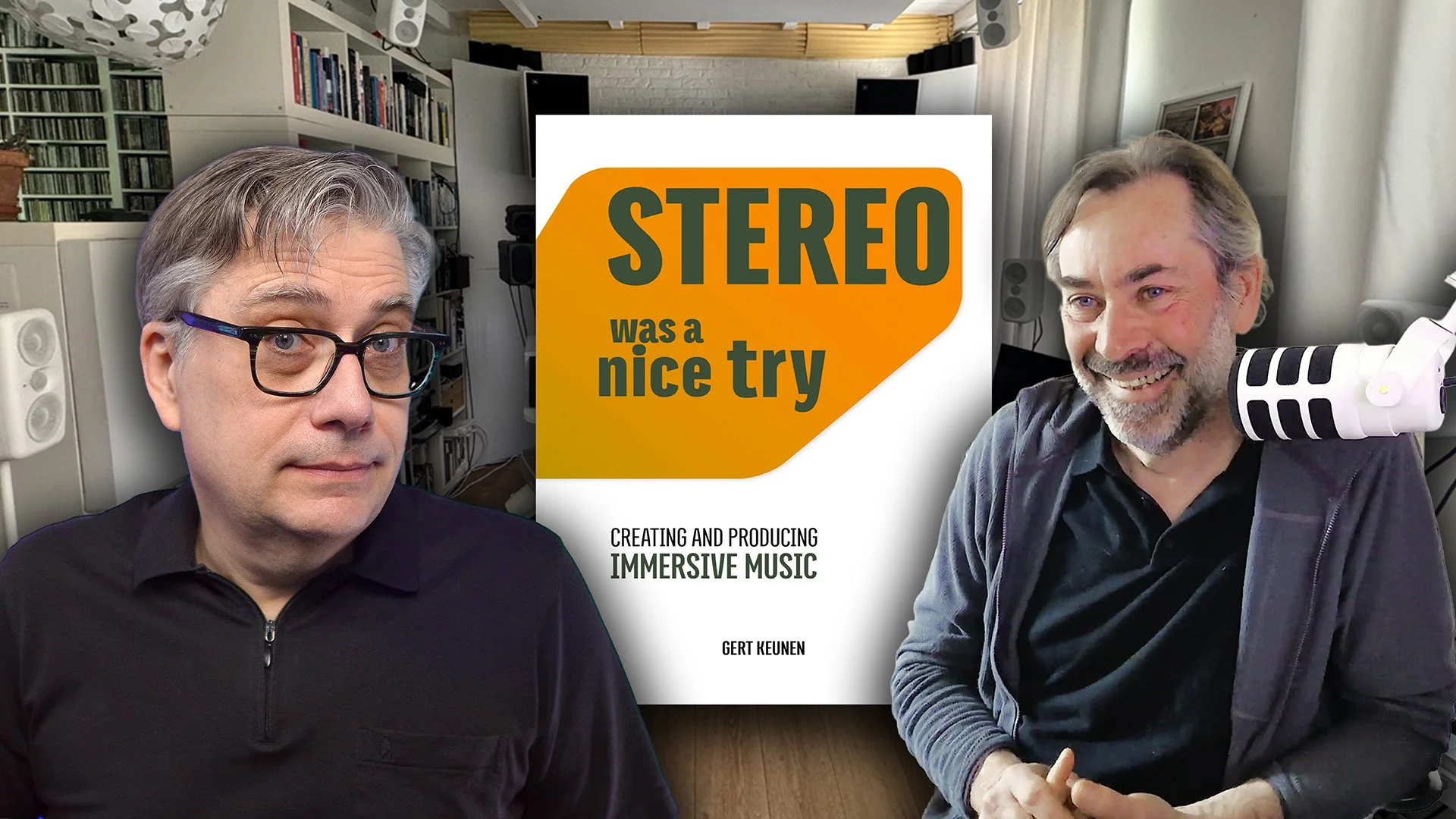
Dolby Atmos, Studios on a Budget & Beer — My Chat with Gert Keunen
In this episode, I chat with Gert Keunen, mastering engineer and author of Stereo Was a Nice Try, about everything from setting up a budget immersive studio to mixing secrets for Dolby Atmos and why thinking immersive from the start changes everything. We cover DAWs, headphone mixing, the LFE channel, loudness, virtual instruments, and even what beer style best represents an immersive mix.
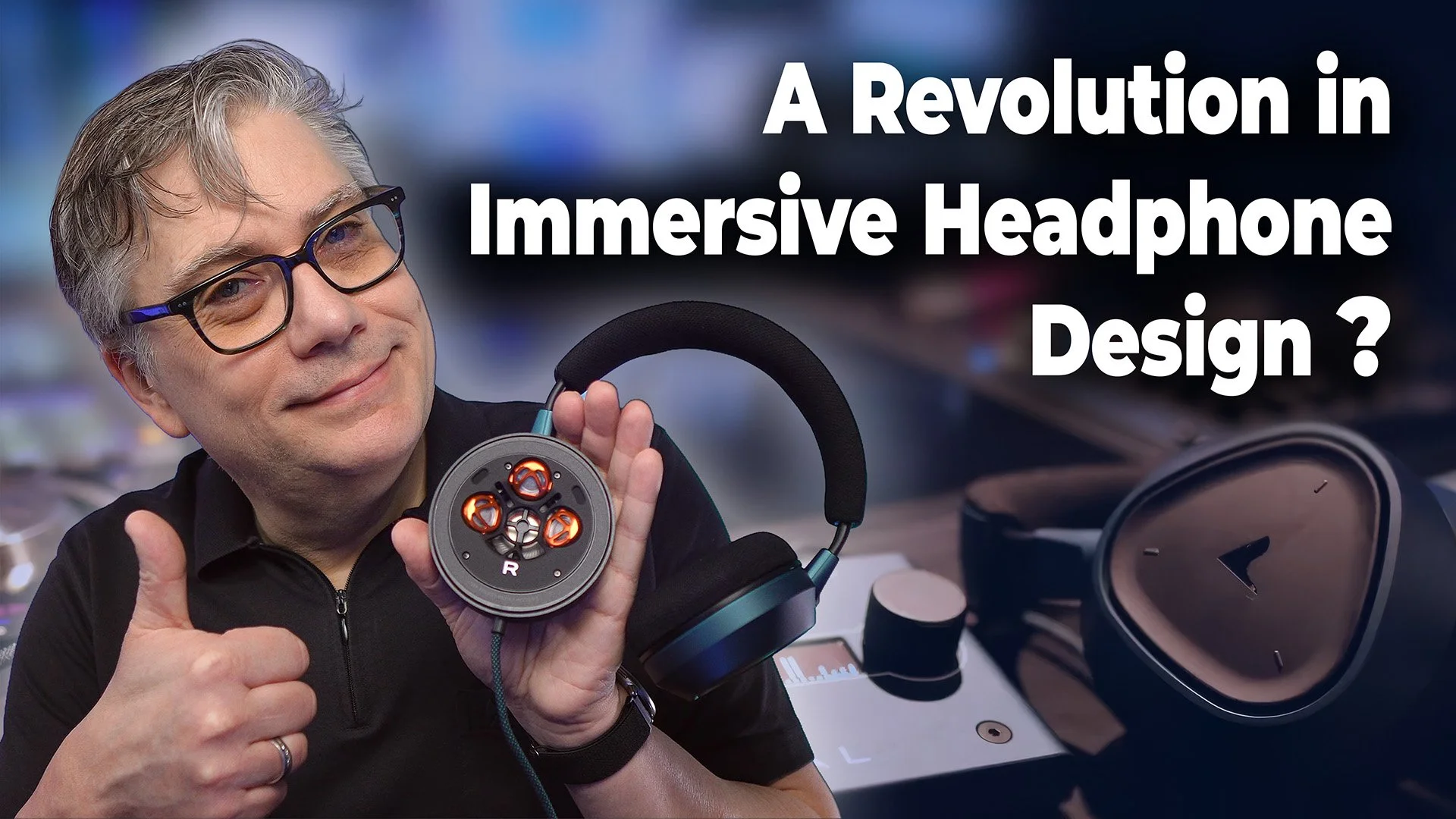
The Areal SR1: A New Approach to Immersive Headphone Audio
I take a first look at the Areal SR1 — a groundbreaking set of immersive headphones from Belgium that uses multiple physical drivers per ear cup to reproduce spatial audio through your own ear geometry, bypassing software-based HRTF simulation entirely. In this video I walk through the hardware, the audio interface, the setup process, and give my honest verdict on whether the SR1 lives up to its fascinating concept.
Which DAW Is Actually Leading Immersive Audio Right Now?
I ranked every major DAW by the immersive audio features added in 2025 and early 2026 — from platforms with zero native support all the way to the surprising leader at the top of the list. Spoiler: Avid Pro Tools has quietly pulled ahead of the pack with native multi-format spatial session architecture, Sony 360 RA integration, and Audio Vivid support.
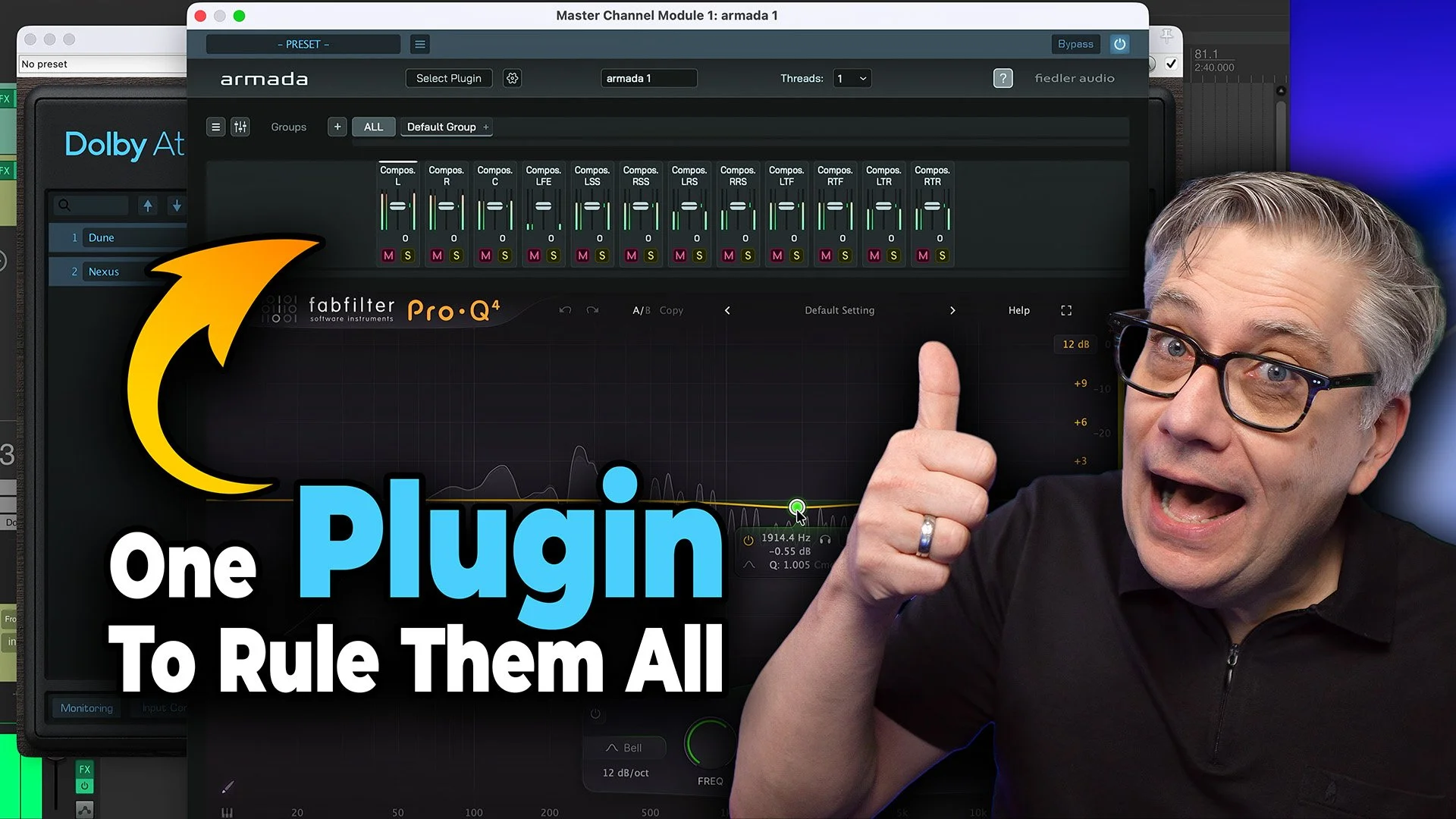
The Plugin That Changes Dolby Atmos Mixing Forever
Fiedler Audio's new Armada plugin lets you use any mono plugin on immersive audio tracks and even on Dolby Atmos master channels via the Dolby Atmos Composer — and in this video I put it through its paces with FabFilter Pro‑Q and Pro‑C in Reaper. If you've been looking for a Waves Immersive Wrapper alternative from a developer you trust, this one's for you.
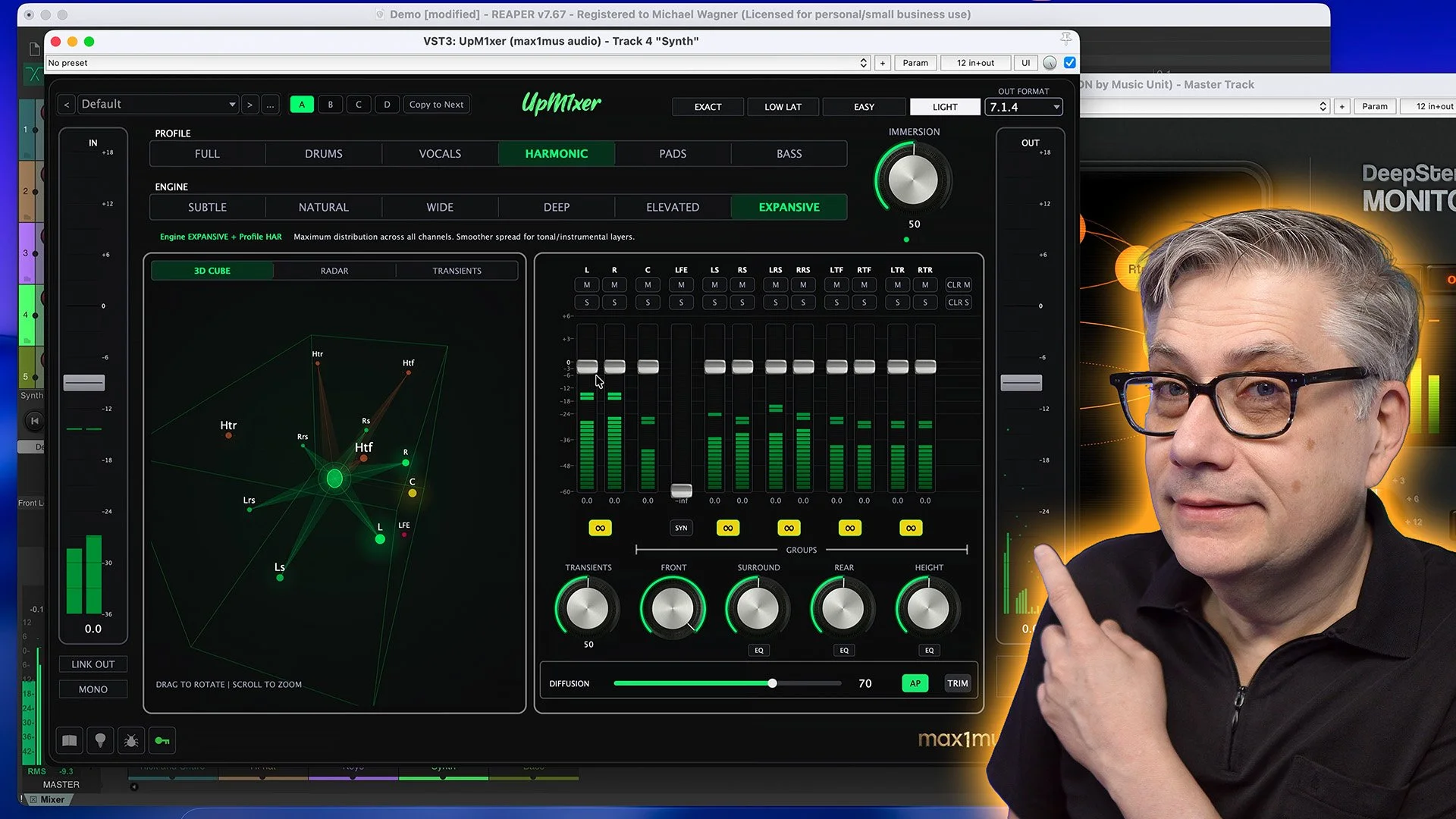
This New Plugin Makes Dolby Atmos Upmixing Ridiculously Easy
I review UpM1xer from Max1mus Audio, a new upmixing plugin for Dolby Atmos that features some genuinely innovative tools like an immersive transient shaper and an LFE subharmonic generator. It's a very strong first showing, though the lack of 9.1.6 support and the Apple Silicon-only limitation are worth noting.
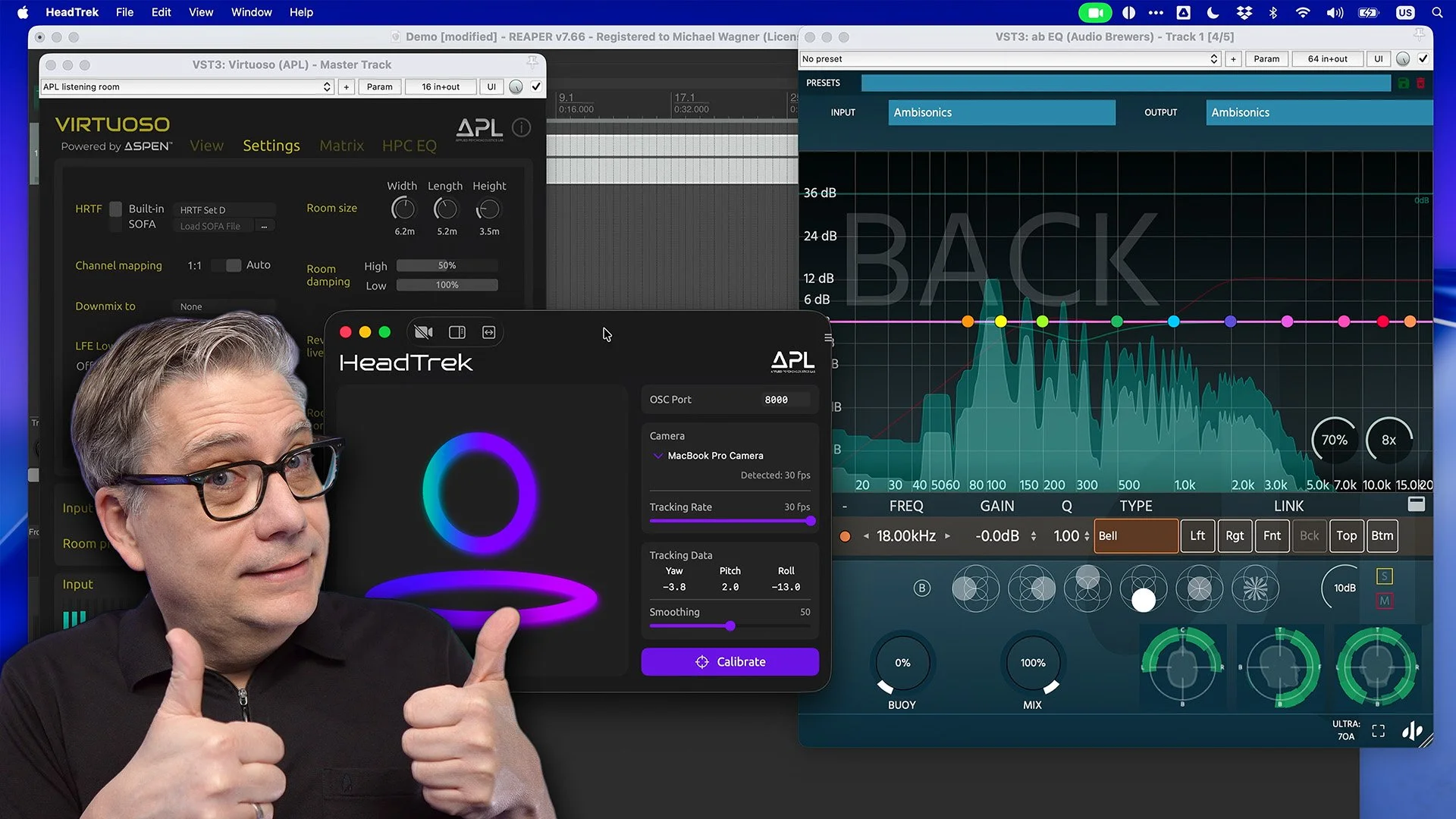
Why Did Nobody Make This Plugin Sooner? — Audio Brewers Ambisonics EQ
Audio Brewers just released abEQ, a first-of-its-kind ambisonics EQ that lets you independently EQ each dimensional pole of the ambisonics field — and I'm walking you through everything it can do. I've also got a surprise reveal: Virtuoso's new HeadTrek feature, which turns your webcam into a head tracker for binaural monitoring.
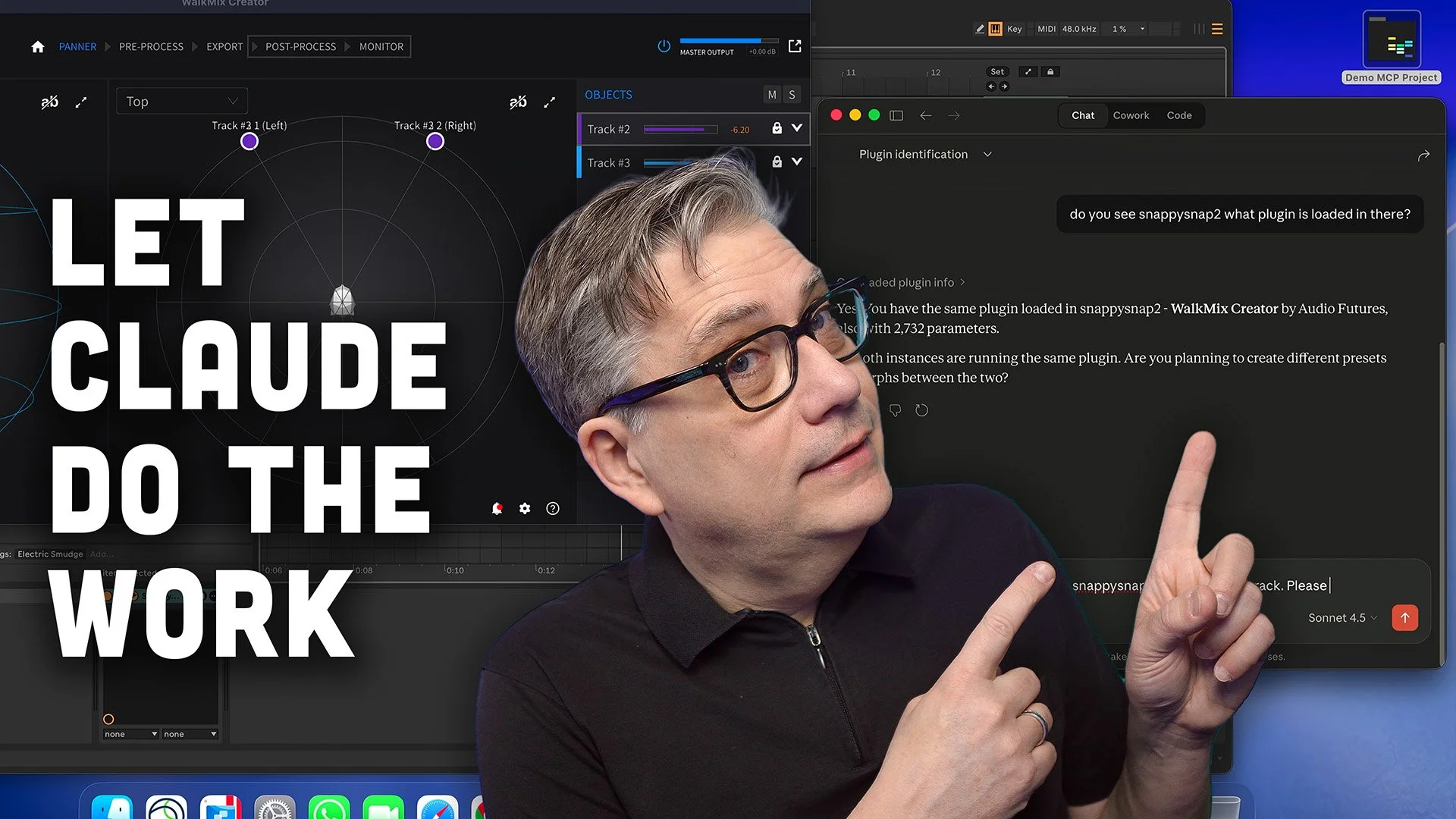
SnappySnap + Claude AI: A Virtual Collaborator Inside Your DAW
In this follow-up to my SnappySnap review, I demonstrate the plugin's MCP integration, which lets you use Claude as a natural language interface to position immersive audio objects, create snapshots, and automate your mix — all inside your DAW. I walk through the full setup from scratch and show what this kind of AI-plugin collaboration actually looks like in practice.
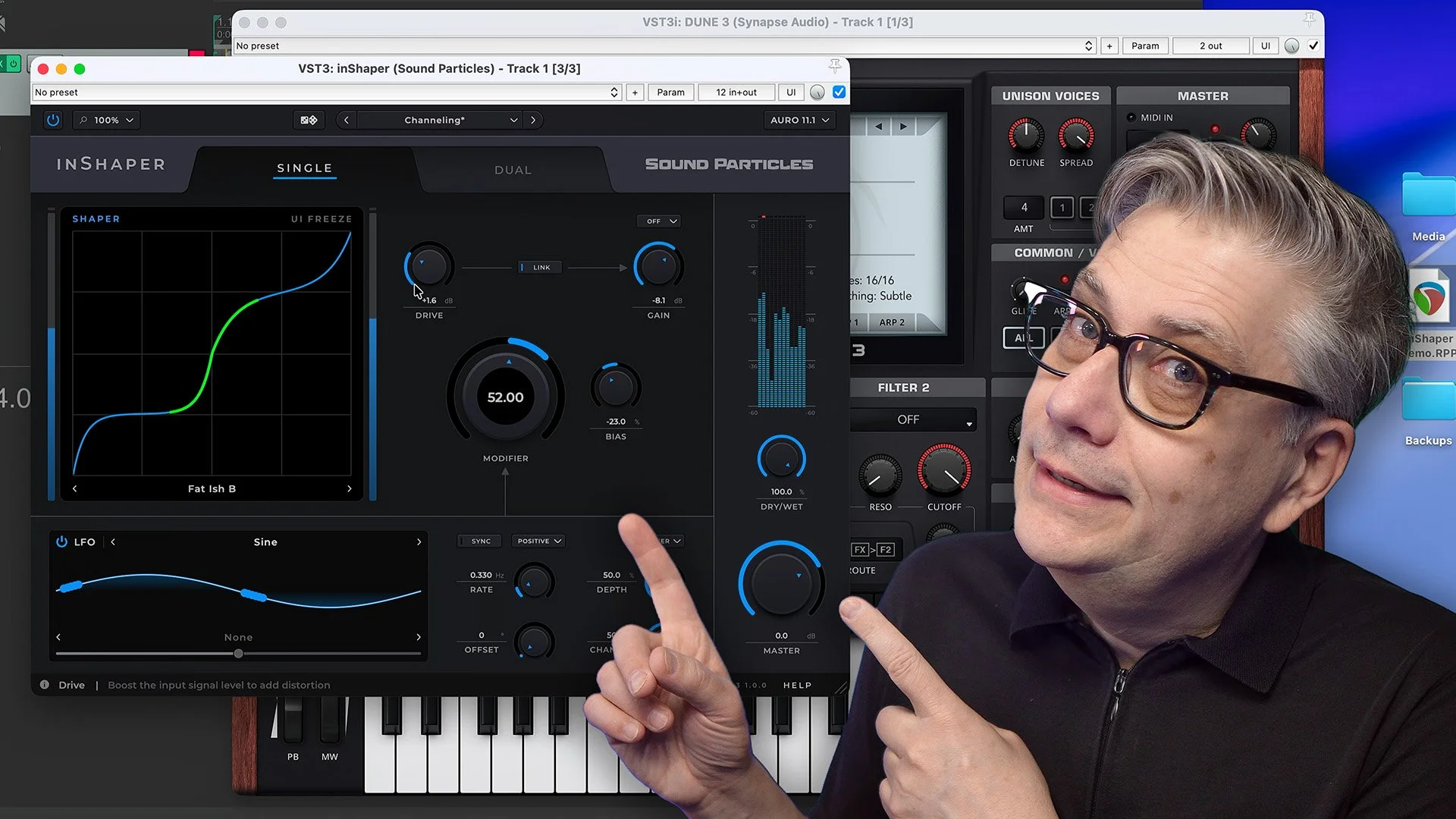
Sound Particles InShaper — Multi-Channel Waveshaping Up to 22.2!
In this video, I explore InShaper, Sound Particles' new LFO-driven waveshaper plugin, and put its impressive multi-channel capabilities — supporting formats all the way up to NHK 22.2 — to the test in a 7.1.4 Dolby Atmos session in Reaper. While the plugin has some limitations for immersive audio work, such as the inability to bypass individual channels internally, it's a convenient and powerful tool for spatial audio producers looking to add creative waveshaping to their multi-channel workflow.